
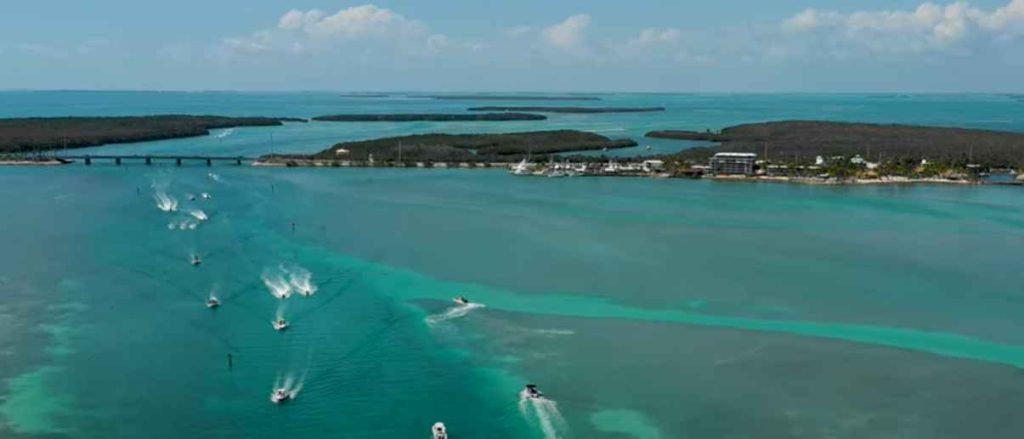
Yes, you need a saltwater fishing license in Florida when fishing from a boat. The state requires a license for both residents and non-residents.
Commence on a thrilling escapade along Florida’s vast and picturesque coastline, renowned for its bountiful and diverse marine life. Angling enthusiasts and casual fishermen alike must be equipped with the proper credentials to cast their lines into the Sunshine State’s azure waters from a vessel. Do You Need a Saltwater Fishing Licence in Florida
Steering the rich fishing spots off Florida’s shores offers an opportunity to reel in an impressive catch, making it a sought-after destination for sportfishing and leisurely angling pursuits. Before you anchor down and bait your hook, securing a saltwater fishing license confirms your adherence to local conservation efforts and regulations.
Ultimately contributing to the sustainable enjoyment and protection of Florida’s marine ecosystems. Whether you’re chasing the elusive tarpon or the feisty snook, a valid license is your ticket to an unforgettable sea adventure.

Understanding Saltwater Fishing Regulations In Florida
Angling in the Sunshine State is a dream for many, with its vast coastal waters and abundant sea life, but it’s paramount to recognize the rules that govern saltwater fishing. Steering Florida’s fishing regulations ensures both compliance with the law and the sustainability of the marine ecosystems. Let’s Plunge into what you need to know before casting your line from a boat in Florida’s saltwater paradises.
Do You Need A Saltwater Fishing License In Florida?
Engaging in saltwater fishing from a boat in Florida typically requires a license. The state mandates licenses to help manage its aquatic ecosystems, making them essential for both recreational and commercial fishers.
Types Of Fishing Licenses In Florida
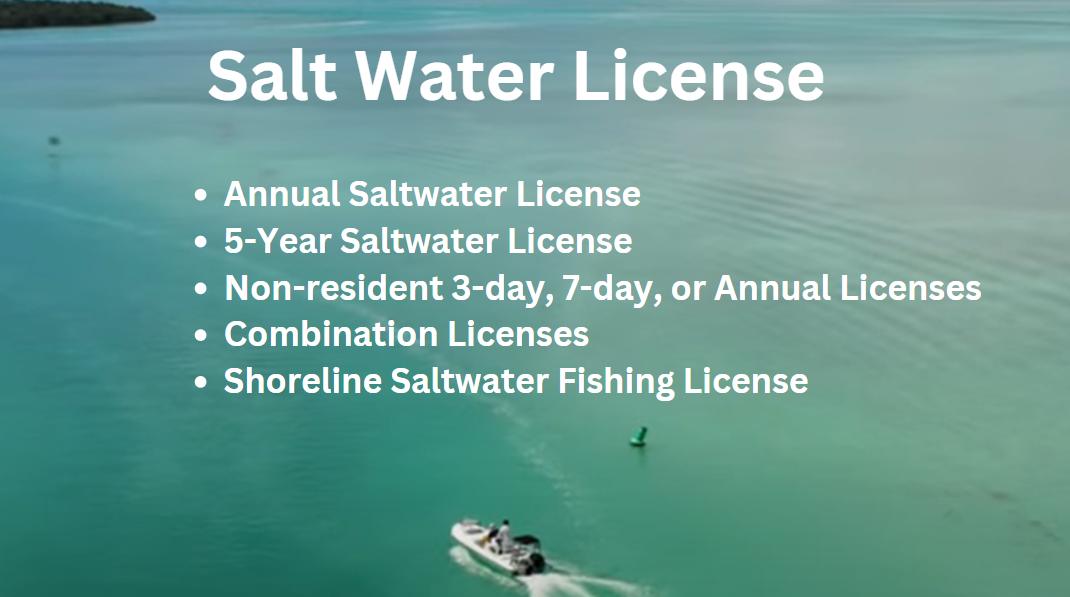
Florida provides a variety of fishing licenses to accommodate the needs of both residents and visitors. Knowing the right license for your fishing plans is the first step to compliance:
- Annual Saltwater License – Ideal for frequent fishers.
- 5-Year Saltwater License – A longer-term option for serious enthusiasts.
- Non-resident 3-day, 7-day, or Annual Licenses – Tailored for visitors planning short or lengthy stays.
- Combination Licenses – These offer both freshwater and saltwater fishing rights, typically for residents.
- Shoreline Saltwater Fishing License – A no-cost option for residents fishing from shore.
Requirements For Saltwater Fishing License
When setting out for saltwater fishing on a boat, it’s vital to understand the license requirements:
| Category | Requirement |
|---|---|
| Residents | Must have an appropriate saltwater fishing license unless exempted. |
| Non-residents | A license is mandatory regardless of the fishing duration. |
| Youth & Seniors | Young fishers under 16 and seniors over 65 may be exempt from licensing. |
| Active Military & Veterans | Special considerations apply, including potential exemptions and discounts. |
Obtaining A Saltwater Fishing License
If you’re planning a fishing trip out on the open waters of Florida, understanding the requirements for a saltwater fishing license is crucial. Steering through the regulations need not be daunting. Florida mandates a saltwater fishing license for anglers fishing from a boat to help maintain the state’s marine resources. Let’s Plunge into the straightforward steps to secure your license and the important details regarding its fees and validity.
Online Application Process
- Visit the official Florida Fish and Wildlife Conservation Commission (FWC) website.
- Choose the ‘Fishing License’ option from the menu.
- Select the ‘Saltwater’ category.
- Complete the required application form with your details.
- Proceed to check out and make the necessary payment through a secure payment gateway.
- Once payment is confirmed, your license will be emailed to you, ready for printout or to be kept on a mobile device.
License Fees And Validity
| License Type | Resident Fee | Non-Resident Fee | Validity |
|---|---|---|---|
| Annual | $17 | $47 | 1 year from the date of purchase |
| Five-Year | $79 | N/A | 5 years from the date of purchase |
| Combination Licenses (Saltwater and Freshwater) | $32.50 | N/A | 1 year from the date of purchase |
| Shoreline License (Florida residents only) | Free | N/A | 1 year from the date of purchase |
Exceptions And Exemptions For Fishing From A Boat

Fishing off the Florida coast is a celebrated pastime, drawing countless locals and tourists each year. While a saltwater fishing license generally applies to anglers casting their lines in Floridian waters, certain situations allow for exceptions and exemptions, particularly when fishing from a boat. Understanding these nuances can make your boat fishing experience both enjoyable and legally compliant.
Special Circumstances For Boat Fishing
Florida acknowledges unique scenarios where the usual licensing rules are adapted for those fishing from a boat:
- Charter Boats: When fishing aboard a licensed charter, guide boat, or party boat, individual licenses are not required, as the boat’s license covers all onboard.
- Permanent Disabilities: Anglers with significant disabilities may apply for a Disability License which exempts them from the standard licensing requirements. Proof of disability and residency will be necessary to obtain this exemption.
- Military Personnel: Current members of the armed forces who are Florida residents but stationed outside the state can fish without a license when on leave for a short period.
Exemptions For Non-resident Anglers
Fishing in Florida brings in anglers from around the globe. While non-residents typically require licenses, there exist specific exemptions:
- Younger Anglers: Non-resident anglers under the age of 16 do not need a fishing license.
- Senior Visitors: Anglers aged 65 and over from certain reciprocal states where Florida residents receive the same exemption may also fish without a license.
Consequences Of Fishing Without A License
Fishing in Florida’s saltwater regions from a boat requires a valid license. Ignoring this regulation leads to penalties, which include heavy fines and potential fishing privileges suspension, ensuring marine resource conservation.
Penalties For Fishing Without A License
If you’re caught fishing without the proper saltwater fishing license in Florida, be prepared to face the consequences. The state treats these matters with seriousness due to their impact on wildlife conservation and the support of sustainable fishing practices. Here’s what you might expect:
- Fines: The immediate penalty often comes in the form of a fine. These fines vary depending on the offense but can be hefty enough to outweigh the cost of a fishing license manifold.
- Court Appearance: Some instances may require a court appearance, adding legal fees and time lost to the list of penalties.
- Confiscation of Gear: In certain cases, your fishing gear or catch may be confiscated, leaving you without your valuable equipment or the fruits of your labor.
- License Suspension: Repeated offenses can lead to suspension of your fishing privileges, hindering your ability to legally fish in the future.
- Criminal Charges: Severe or repeated violations can escalate to criminal charges, potentially leading to a criminal record.
Importance Of Compliance With Fishing Regulations
If you’re caught fishing without the proper saltwater fishing license in Florida, be prepared to face the consequences. The state treats these matters with seriousness due to their impact on wildlife conservation and the support of sustainable fishing practices. Here’s what you might expect:
- Fines: The immediate penalty often comes in the form of a fine. These fines vary depending on the offense but can be hefty enough to outweigh the cost of a fishing license manifold.
- Court Appearance: Some instances may require a court appearance, adding legal fees and time lost to the list of penalties.
- Confiscation of Gear: In certain cases, your fishing gear or catch may be confiscated, leaving you without your valuable equipment or the fruits of your labor.
- License Suspension: Repeat offenses can lead to suspension of your fishing privileges, hindering your ability to legally fish in the future.
- Criminal Charges: Severe or repeated violations can escalate to criminal charges, potentially leading to a criminal record.
Importance Of Compliance With Fishing Regulations
| Aspect of Compliance | Impact |
|---|---|
| Conservation | Licensing fees contribute to conserving fish populations and marine habitats. |
| Research Funding | Money from licenses funds critical research on fish life cycles and environmental factors affecting fisheries. |
| Resource Management | Good management practices are supported by license revenues, ensuring sustainable fishing for future generations. |
| Education | Education programs for anglers are funded, promoting responsible fishing practices and ethics. |
Frequently Asked Questions For Do You Need Saltwater Fishing Licence In Florida When Fishing From Boat
Do You Need A License To Fish From A Boat In Florida/Do You Need a Saltwater Fishing Licence in Florida?
Yes, you need a license to fish from a boat in Florida, unless you qualify for an exemption such as age or resident status.
Do You Need A Saltwater Fishing License To Fish Off A Pier In Florida?
When it comes to angling or hunting from a boat in Florida, understanding the state’s fishing regulations is crucial. The rules slightly differ when fishing off a pier. Many enthusiasts wonder, “Can you fish on a pier without a license in Florida?”
In Florida, a saltwater fishing license is typically required, even when fishing from a pier. Non-residents often ask, “Do non-residents need a saltwater fishing license in Florida?” The answer remains affirmative.
The cost of a pier fishing license in Florida varies based on residency and duration. “How much is a pier fishing license in Florida?” For short visits, a 3-day non-resident license might suit your needs.
The consequences of fishing without a license in Florida can result in penalties. So, understanding exemptions is vital. Certain scenarios, such as fishing on private property or being exempt from a Florida fishing license, warrant clarity.
When fishing off a pier in Florida, securing a saltwater fishing license is typically necessary. Whether switching to a drop shot or angling for puffer fish, abiding by licensing regulations ensures a lawful and enjoyable fishing experience in the Sunshine State.
Who Is Exempt From Florida Fishing License?
Florida residents who are 65 years old or older, children under 16, and Florida residents with disabilities may fish without a license. Active-duty military members during leave also qualify for an exemption.
Do You Need A Fishing License In Florida To Fish Off A Bridge?
Yes, a fishing license is generally required in Florida to fish off a bridge. Exceptions include if you are a Florida resident age 65 or older, or under 16.
Conclusion
Steering the waters of Florida’s fishing regulations doesn’t have to be daunting. Remember, a saltwater fishing license is a must for boat anglers, ensuring sustainable practices and fun for future generations. Check current guidelines before your next adventure to fish responsibly and legally.
Cast a line, stay informed, and enjoy the bounty of Florida’s coastal waters.
