
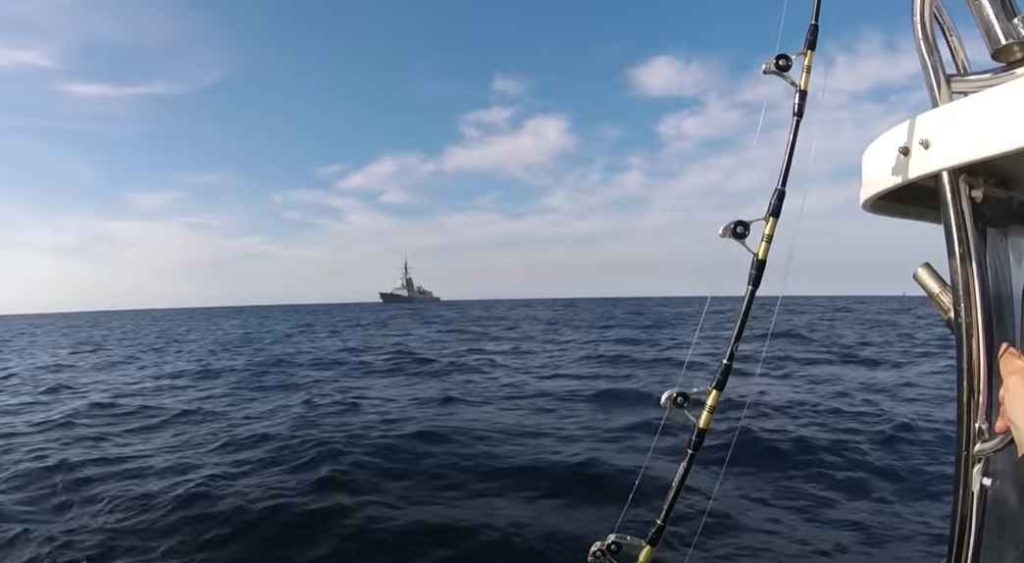
When you encounter a fishing boat while boating, slow down and navigate your vessel carefully to avoid disrupting the fishing activity. Keep a safe distance, and pass behind the fishing boat if possible.
Directing the waters safely is paramount for all boaters. Encountering a fishing boat requires attentiveness and respect for the fishermen’s space and gear. Reducing speed minimizes the risk of entangling lines or disturbing fish, ensuring a harmonious shared water space. What Should You Do If You Encounter a Fishing Boat While Out in Your Vessel?
It is essential for boaters to be aware of their surroundings and to understand maritime rules. Such knowledge maintains safety and promotes a courteous boating community. This guidance doesn’t only apply to recreational boaters, but also to professional mariners who may come across fishing vessels in their course. By following these simple steps, collisions or any disruption to fishing operations can be avoided, making the waterways safer and more enjoyable for everyone.
Understanding Right Of Way Rules

Directing the waters requires respecting right-of-way rules, particularly near fishing vessels. Prioritize safety and slow down, steering clear to give them ample space while they cast lines or nets.
- Power-driven vessels must give way to non-powered vessels like sailboats and fishing vessels under certain conditions.
- Sailboats under sail power should yield to fishing vessels actively engaged in fishing, with gear that restricts maneuverability.
- A vessel overtaking another must always give way, regardless of the type being overtaken.
| Scenario | Right of Way Action |
|---|---|
| Fishing boat actively fishing (nets, lines, or trawls) | Other vessels must navigate around the fishing boat. |
| Fishing boat not actively fishing | Follow standard right-of-way rules as for other power-driven vessels. |
| Restricted maneuverability due to fishing | Give way and avoid impeding their operations. |
Communication And Navigation

Sharing the waters responsibly requires clear communication and adept navigation, particularly when you’re in proximity to fishing boats. These vessels often have restricted maneuverability and may have lines or nets extended that are not immediately visible.
When you come across a fishing boat, your actions in signaling your intentions and maintaining an appropriate vessel distance are key to preventing accidents and ensuring a safe experience for all. Employing straightforward communication protocols and navigation rules safeguards both your journey and the serenity of the fishing vessel’s operation.
Signaling Intentions
- One short blast means “I intend to pass on my port side.”
- Two short blasts mean “I intend to pass on my starboard side.”
- Three short blasts indicate “I am operating astern propulsion.”
Never underestimate the power of a hand wave or a shout to attract attention if electronic communication fails.
Appropriate Vessel Distance
Maintaining a safe distance from a fishing vessel is not only courteous but adheres to maritime laws designed to prevent collisions. Consider the following guidelines:
| Scenario | Recommended Distance |
|---|---|
| Avoiding fishing lines/nets | At least one nautical mile |
| Passing | Safe and clear distance (varies based on conditions) |
| In narrow channels | Stay as far to the starboard side as safely possible |
Potential Hazards And Precautions
Directing safely around fishing boats is critical for aquatic safety. Give way to these vessels, maintaining a wide berth to prevent entangling lines or disrupting operations. Alertness and slow speeds are vital to avoid potential hazards on the water.
Avoiding Fishing Gear
One of the primary concerns when approaching a fishing vessel is the plethora of fishing gear that may surround it. These can include nets, lines, traps, or buoys, which pose significant risks to your vessel. To prevent entanglement or damage:
- Maintain a vigilant lookout for any floating gear or markers.
- Steer clear of areas where you spot buoys or flags indicating the presence of fishing equipment.
- Slow down to ensure you have ample time to maneuver if necessary.
Maneuvering Safely Around Fishing Boats
When in proximity to fishing boats, safe maneuvering is vital. Keeping a safe distance is key:
- Observe international and local maritime rules regarding right of way and fishing boat priority.
- Adjust your speed and course early to avoid sudden, close-quarters situations.
- Communicate your intentions using appropriate sound signals or VHF radio when required.
By consistently monitoring your surroundings and displaying predictability in your actions, you will reduce the risk of collision and promote a secure environment for everyone on the water.
Legal And Ethical Considerations
When out at sea or on a body of water, encountering a fishing boat brings about a dual concern – abiding by legal requirements and respecting ethical considerations. Sailors and boaters must navigate these situations with care, maintaining safety and harmony on the water. The following sections will address the legalities and ethical practices essential for such encounters.
Fishing Regulations And Compliance
- Speed Adjustments: Slow down to avoid disrupting fishing lines or causing a wake that can damage small boats or equipment.
- Right of Way: Fishing boats that are actively fishing often have the right of way, governed by international navigation rules.
- Communication: When in doubt, communicate your intentions using appropriate signals or radio communication.
Environmental And Conservation Practices
Maintaining environmental integrity and engaging in conservation practices are not just legal obligations, but also ethical duties of all who enjoy water-based activities. Protecting the aquatic ecosystem is crucial for the longevity of marine populations and the enjoyment of future generations.
| Practice | Description | Impact |
|---|---|---|
| Avoiding Disruption | Steer clear of areas with a high concentration of fishing activity | Minimizes disturbance to both wildlife and fishing operations |
| Waste Management | Properly dispose of trash and avoid polluting waters | Helps preserve marine life and water quality |
| Eco-Friendly Products | Use biodegradable supplies and eco-friendly boat maintenance products | Reduces harmful chemical runoff and impact on habitats |
Emergency Protocols And Resources

Directing waters occupied by fishing boats requires attentiveness and an understanding of maritime courtesy. Ensure safety by maintaining a safe distance, slowing down, and communicating clearly to avoid disrupting their operations. Always prioritize clear passage for fishing vessels, as outlined by coastal regulations.
Response To Collision Or Accidents
- Stop your vessel immediately and assess for any dangers to your crew and passengers.
- Check for injuries among all parties involved and provide first aid if necessary.
- Signal distress to surrounding boats using flares, horns, or emergency lights if needed.
- Ensure that life jackets are worn by everyone on board.
- Contact emergency services for assistance using VHF radio Channel 16 or by calling the local Coast Guard.
Vessel Assistance And Reporting Procedures
- Activate your vessel’s VHF radio to issue a security or mayday call if necessary.
- Take note of your location by marking your GPS coordinates.
- Alert nearby vessels of your situation using the appropriate visual or auditory signals.
- Once help arrives, provide accurate information to the rescue team regarding the nature and severity of the situation.
- File a formal accident report with the Coast Guard or local maritime authority. Be precise when detailing the event and any damages incurred.
Frequently Asked Questions For What Should You Do If You Encounter A Fishing Boat While Out In Your Vessel
What Actions Should You Take Near A Fishing Boat?
Encountering a fishing boat while Directing waterways demands specific actions to ensure safety and respectful conduct. Whether you’re cruising, angling, or simply enjoying the waters, certain practices guarantee a smooth interaction.
When overtaking a vessel, especially a fishing boat, maintain a safe distance and announce your intentions by signaling with proper navigation lights or horn signals. Always pass at a slow, controlled speed to minimize wake disturbance. Upwind passages warrant extra caution—reduce speed further to prevent disrupting the fishing operation.
Prioritize safety by wearing life jackets, adhering to speed limits, and being vigilant about your vessel’s capabilities, especially in narrow channels where larger vessels navigate. If a fishing boat, due to its draft, restricts movement in the channel, yield the right of way and maintain a safe distance until it’s clear to proceed.
Respect fellow boaters by avoiding sudden maneuvers and loud noises that may startle or disrupt their fishing. If you’re unfamiliar with handling a vessel, seek guidance or training before operating it, ensuring a secure environment for all on board.
Encountering a fishing boat is an opportunity to demonstrate seamanship and considerate navigation, ensuring a harmonious experience for all water enthusiasts.
Are There Right-of-way Rules For Vessels Near Fishing Boats?
Yes, generally, fishing boats with nets or lines out have the right of way. Approach with caution, avoiding interference with their operation. Respect their space and navigate at a safe speed to ensure everyone’s safety on the water.
How Do You Identify A Fishing Boat During Navigation?
You can identify a fishing boat by looking for gear on deck, lines or nets in the water, and signage. Often, they’ll have flags or lights indicating they are actively fishing, which serves as a cue for other vessels to keep their distance.
What Is The Safest Speed Around Fishing Boats?
The safest speed around fishing boats is a slow, no-wake speed. This minimizes wave impact and allows for enough reaction time if necessary. It’s crucial to navigate carefully to avoid disrupting fishing operations or causing accidents.
Conclusion
Safety on the water is paramount, and respecting fishing vessels is key. Slow down, maintain a safe distance, and navigate carefully to avoid disrupting their activity. By following maritime rules and showing consideration, we ensure a harmonious experience for all.
Always prioritize caution to enjoy a secure and pleasurable boating adventure.
