
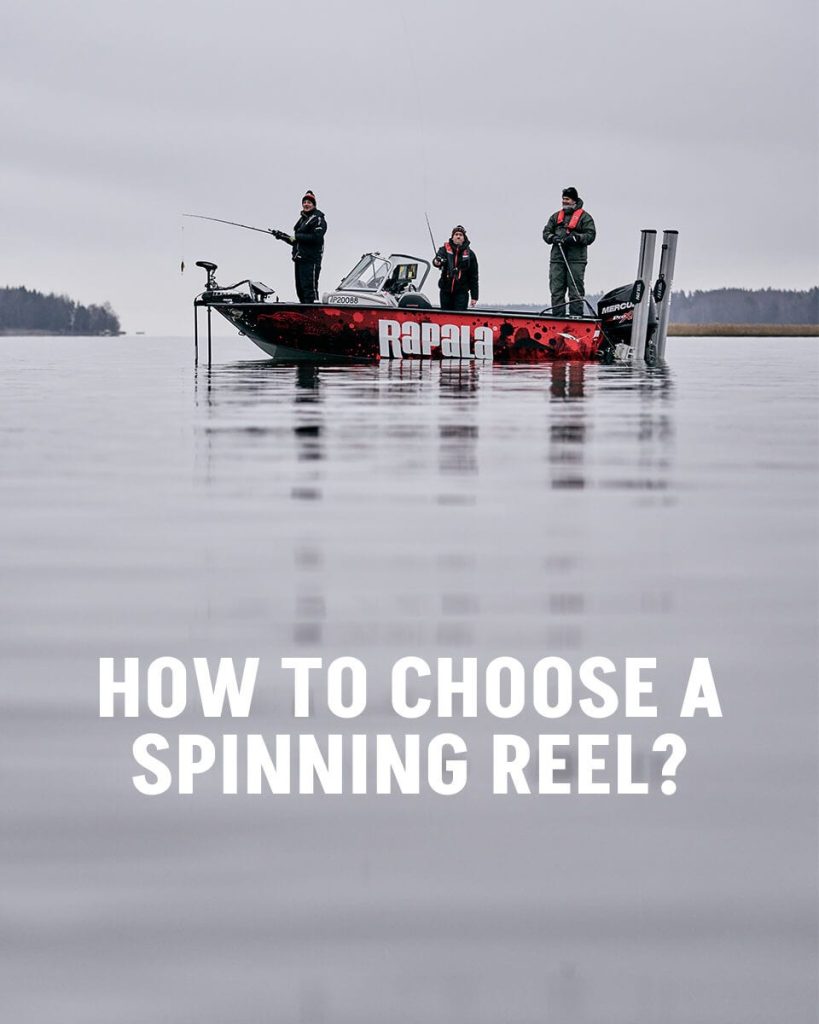
Consider the type of fishing and the target species when choosing a fishing reel. The reel’s gear ratio and drag system are also key factors.
Selecting the right fishing reel is essential for both seasoned anglers and novices alike. It sets the foundation for a successful day on the water. A well-suited reel enhances control, improves casting accuracy, and ensures the durability to withstand the species you’re targeting.
With myriad options on the market, it’s crucial to invest in a reel that can handle the rigors of your preferred fishing environment. It’s about matching the reel to your rod, fishing technique, and the type of water you’ll be exploring. From the icy depths of northern lakes to the warm currents of tropical seas, your choice dictates your fishing experience. Make an informed decision to reel in the big catch with confidence.
The Significance Of The Right Fishing Reel
Choosing the perfect fishing reel is critical for any angler’s success. A fitting reel ensures precision, control, and the right amount of power when battling a catch. It transforms a good fishing experience into a great one. It’s not just about having any reel, but the one that complements your rod, fishing style, and the species you’re targeting.
Types Of Fishing Reels
Fishing reels come in various designs, each tailored for specific scenarios and skills:
- Spinning Reels: Versatile and user-friendly, perfect for beginners.
- Baitcasting Reels: Offer more control, suited for experienced anglers.
- Fly Fishing Reels: Built for fly fishing techniques, allowing for precise casting.
- Trolling Reels: Ideal for offshore fishing, designed to handle large fish.
Matching Reel To Fishing Style
Selecting a reel that matches your fishing style ensures efficiency and enjoyment:
| Fishing Style | Recommended Reel Type |
|---|---|
| Light Tackle Fishing | Spinning Reel |
| Big Game Fishing | Trolling Reel |
| Bass Fishing | Baitcasting Reel |
| Fly Fishing | Fly Fishing Reel |
Aligning the reel type with your preferred technique optimizes performance. For instance, spinning reels work well for tossing light lures, whereas baitcasters are better for heavier lures and lines. Always consider the type of water, whether freshwater or saltwater, as this affects reel choice, too.

Credit: kastking.com
Understanding Reel Specifications
Selecting the right fishing reel is crucial for a great fishing experience. The performance of a reel links directly to its specifications. Get familiar with the terms and features to make an informed choice. Focus on gear ratios, retrieval speeds, and the drag system’s quality.
Gear Ratio And Retrieval Speed
Gear ratio expresses how many times the spool turns with one handle turn. A higher ratio retrieves faster. It’s important for quick lures or when pulling in a line quickly.
- Low Gear Ratios (4:1 – 5:1) – Slower and powerful, suitable for big fish
- Medium Gear Ratios (5:1 – 6:1) – Balanced, for general use
- High Gear Ratios (6:1 and up) – Fast retrieval, ideal for fast moving lures
Drag System Importance
The drag system applies pressure to hooked fish and lets out line. A strong, smooth drag prevents line breaks and loss of fish.
Key drag system features include:| Type | Benefits |
|---|---|
| Front Drag | Larger, more durable |
| Rear Drag | Easier to access during a fight |
| Sealed Drag | Better for saltwater, prevents corrosion |
Choose based on fishing style and target species. Look for reels with a reputation for a reliable drag system.
Freshwater Vs. Saltwater Reels
Choosing the right fishing reel is crucial for any angler. Freshwater and saltwater reels differ greatly. They face different environments and stresses. The materials and construction must fit the water type. It’s not just about performance. It’s also about longevity and ease of use. Let’s dive into what sets these reels apart.
Material And Construction Variations
Material choices in reels aim for robustness and corrosion resistance. Saltwater reels often feature stainless steel or aluminum. These can withstand harsh saltwater conditions. Freshwater reels might use lighter materials, like graphite. They perform well in gentler freshwater. Consider this breakdown:
| Type | Material | Environment |
|---|---|---|
| Saltwater | Stainless steel, Aluminum | Corrosive, Rough |
| Freshwater | Graphite, Composite | Non-corrosive, Calm |
Match the material to the water type to ensure top performance.
Maintenance And Durability Concerns
Maintenance practices extend reel life. Saltwater demands more care. Reels here must endure more wear and tear. The salt can eat away at components. Proper maintenance includes regular cleaning and lubrication. Freshwater reels are easier to maintain. Yet, they still need attention for lasting use. Keep these points in mind:
- Clean after each use, regardless of water type
- Inspect regularly for signs of wear or damage
- Lubricate moving parts to keep actions smooth
Proper care will keep your reel in action season after season.

Credit: getawayoutdoors.com.au
Reel Size And Weight Balance
When picking out your fishing reel, Reel Size and Weight Balance are crucial. They affect your fishing experience. A well-matched reel size and rod ensures better control and less fatigue. Let’s dive into what makes for the right choice.
Comfort And Handling
The right reel size should feel comfortable in your hands. Look for a reel that complements your fishing style. A lightweight reel reduces strain during long fishing sessions. An ergonomic handle enhances grip and comfort. Find a balance between lightweight design and durability.
Rod Compatibility
Finding the perfect match between your rod and reel is key. A balanced setup improves casting accuracy. Use this table to guide your reel choice:
| Rod Length | Reel Size |
|---|---|
| 6 feet and under | 1000 – 2500 |
| 6 to 7 feet | 2500 – 3000 |
| 7 feet and above | 3000 and up |
Use rods and reels from the same brand to ensure compatibility. Tight connections prevent wobbling. A reel too heavy for your rod can lead to breakage. Match the reel’s weight to your rod’s specifications.
Bearing Count And Quality
Choosing the right fishing reel involves understanding the importance of bearing count and quality. Bearings reduce friction within the reel’s moving parts, contributing to performance. The number and quality of these bearings determine how smoothly the reel operates and its overall durability. Let’s dive deeper into why these factors are crucial for your fishing success.
Smoothness Of Operation
A reel’s bearing count directly affects its smoothness. More bearings typically mean smoother retrieves and casts. However, not all bearings are created equal. High-quality bearings enhance casting accuracy and control.
- Stainless steel or shielded bearings reduce contaminants.
- Precision engineering ensures enhanced performance.
- More bearings provide stability and balance.
Longevity Of The Reel
Quality bearings mean reels last longer. They handle wear and tear better, saving you money in the long run.
| Bearing Material | Durability | Performance in Salty Water |
|---|---|---|
| Stainless Steel | High | Good |
| Ceramic | Higher | Excellent |
Consider bearings that are corrosion-resistant for longevity. Sealed bearings keep out debris and water. Regular maintenance also plays a part in extending the life of your reel.
Budget-friendly Vs. Premium Options
Choosing the right fishing reel is crucial. Both budget-friendly and premium reels have their own benefits. Your choice depends on your fishing needs and how much you want to spend.
Cost Vs. Performance
Cost should never compromise quality when selecting a fishing reel. The market offers various options that balance both. Consider these factors:
- Material: Higher cost often brings sturdier materials.
- Durability: A pricier reel may last longer.
- Features: Expect more advanced features in premium options.
Budget reels are perfect for beginners. They offer good performance and allow you to learn without a huge outlay. Premium reels appeal to experienced anglers. They provide exceptional performance and precision.
Investing In Long-term Value
Consider how often you’ll use the reel. Frequent use justifies investing in a premium reel for long-term value. Paying more upfront can save money, as you might buy fewer replacements over time.
| Reel Type | Pros | Cons |
|---|---|---|
| Budget-friendly |
|
|
| Premium |
|
|
Think long-term when making your selection. Measure the balance between initial expense and the expected life span of your reel.
Angler Experience Level
The right fishing reel can make a day on the water memorable. Your experience with fishing plays a big role in this choice. A beginner may need a different reel than a pro. Let’s dive into how experience shapes the reel you should pick.
Simple Operation for BeginnersSimple Operation For Beginners
Starting out? Go for ease of use. A simple, effective fishing reel can boost your confidence. Look for these points:
- Push-button spin-cast reels – one press to cast, easy to learn.
- Pre-spooled options – come ready with line.
- Anti-reverse – keeps your catch secured.
Such features ensure a smooth introduction to fishing.
Advanced Features for Seasoned AnglersAdvanced Features For Seasoned Anglers
Experienced anglers expect more from their gear. Advanced reels offer:
- Multiple bearings – smoother operation.
- Gear ratios – speed and torque control.
- Drag systems – better fish fighting ability.
Such features match the skillset of serious anglers.
Brand And Warranty Considerations
Choosing the right fishing reel involves research and decision-making. Top brands often promise quality and reliability. Strong warranty offers back these claims with customer support. Below, explore how brand reputation and warranty should influence your choice.
Reputation For Quality
Well-known brands often have a proven track record. They bring years of experience to their products. Look for brands with positive feedback from the fishing community. High ratings and good reviews suggest quality reels that last.
- Durability: Renowned brands pride themselves on creating long-lasting reels.
- Performance: Look for brands associated with smooth casting and retrieval.
- Innovation: Top brands invest in technology for better fishing experiences.
Support And Service
A comprehensive warranty can save you money and stress. Pick brands that offer solid customer service. Ready assistance can transform your fishing reel experience.
| Warranty Length | Service Options | Availability |
|---|---|---|
| Extended warranties cover long-term use. | Repair services fix issues without hassle. | Accessible support means help is just a call away. |
Check for a clear warranty policy. A detailed policy shows a brand’s confidence in its reel. It also highlights customer care commitment. Choose brands with quick and helpful support teams.
User Reviews And Recommendations
User Reviews and Recommendations are crucial factors to consider when choosing a fishing reel. These insights enable anglers to make informed decisions based on real-world usage. This section delves into how you can harness the collective wisdom of the fishing community to find a reel that meets your specific needs.
Learning From Others’ Experiences
Why start from scratch when you can build on the experiences of others? User reviews are an invaluable resource. They provide honest feedback from individuals who have used the reels in various conditions. Be on the lookout for recurring comments about reel performance, durability, and ease of use. These points often reveal a reel’s true strengths and weaknesses.
Beyond individual reviews, fishing forums and online communities are goldmines of information. These platforms offer discussions on reel performance in different scenarios. A consistent recommendation from seasoned anglers carries weight and can narrow down your choices.
Top-rated Reels In The Angling Community
Some reels stand out from the crowd, earning the title of top-rated by the angling community. Online retailers, angling magazines, and industry awards highlight these winners. An easy way to identify them is through star ratings and “best seller” tags. Such accolades signal a product that delivers on its promises.
To help simplify your research, here is a summary of top-rated reels:
| Reel Type | Brand | Average Rating |
|---|---|---|
| Spinning | Brand A | 4.7 out of 5 |
| Baitcaster | Brand B | 4.8 out of 5 |
| Fly Reel | Brand C | 4.9 out of 5 |
Remember, a reel with high ratings often translates to a history of satisfied users. This table is a starting point for a reel that could serve you well.
Using the insights from user reviews and community recommendations helps in selecting a reel that could elevate your fishing game. Make sure to consider these factors when talking with fellow anglers, researching online, and before making a purchase.

Credit: stpetersburgfishingcharters.com
The Final Cast
Before making that final cast, it’s crucial to reel in the perfect fishing companion. The reel you choose becomes your partner in the challenge and excitement of fishing. With the right reel in your hands, the water’s bounty is well within reach.
Personal Preferences
- Type of fishing: Choose a reel that matches your preferred fishing style.
- Comfort and handle: A reel should feel good in your hand for hours of fishing.
- Weight: A lighter reel can reduce fatigue during long fishing trips.
- Balance: Your reel should balance with your rod for better control.
- Brand loyalty: Sometimes sticking to a trusted brand can offer peace of mind.
Making An Informed Decision
| Factor | Description | Significance |
|---|---|---|
| Gear Ratio | Ratio of handle turn to spool revolutions | Dictates retrieval speed |
| Drag System | Controls the tension placed on a hooked fish | Important for fighting and landing fish |
| Ball Bearings | Affects reel smoothness and stability | More bearings can mean a smoother reel |
| Material | Construction material of the reel | Influences durability and corrosion resistance |
Select a reel with features that align with your needs. Check reviews to gauge user satisfaction. Ultimately, the perfect reel combines personal preference with an informed decision. This synergistic approach ensures a fishing reel that’s both a joy to use and an effective tool on the water.
Frequently Asked Questions Of What Factors Should You Consider When Choosing A Fishing Reel?
What Types Of Fishing Reels Are Available?
There are primarily three types of fishing reels: spinning reels, baitcasting reels, and fly reels. Each type caters to different fishing techniques and skill levels, with spinning reels being great for beginners while baitcasters offer precision for experienced anglers.
How To Choose The Right Reel Size?
Selecting the right reel size depends on the fish species and the line strength you’ll be using. Smaller reels are suitable for light lines and smaller fish, whereas bigger reels are needed for heavier lines and larger fish. Check the reel’s specifications for line capacity.
What Gear Ratio Is Best For Fishing Reels?
The gear ratio determines retrieval speed. Lower ratios like 4:1 offer more power for fighting big fish. Higher ratios, such as 7:1, enable faster line retrieval, ideal for quick moving lures and techniques. Your target species and fishing method should guide your choice.
Does Reel Material Affect Performance?
Yes, reel material plays a significant role in durability and weight. Aluminum reels are sturdy but heavier, while graphite reels are lighter and resist corrosion but may not be as strong. The choice between them often comes down to personal preference and fishing conditions.
Conclusion
Selecting the perfect fishing reel is integral to your angling success. Gear ratio, material, and type match your fishing style. Balance cost with features for optimal value. Remember, a mindful choice enhances your fishing experience. Achieving this synergy is paramount—happy fishing!
