
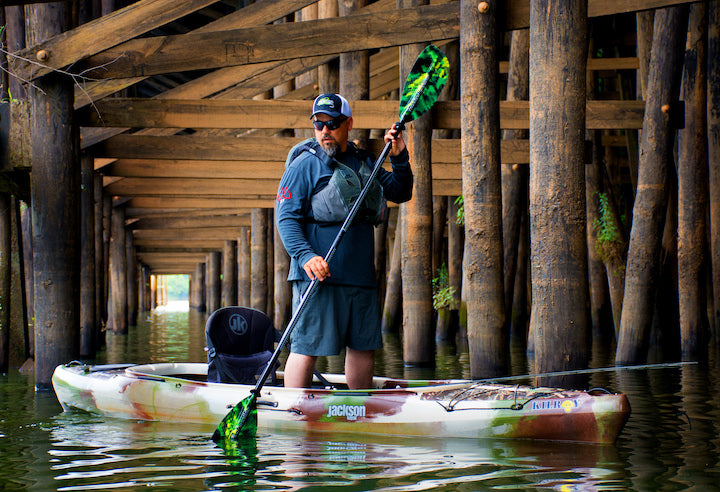
Key considerations when choosing a perfect fishing kayak include stability, storage capacity, and the types of waters you’ll navigate. Personal comfort and the kayak’s weight also impact your decision.
Selecting the perfect fishing kayak involves a balance between functionality and personal preference. Stability is essential, especially for anglers who prefer standing up to cast. Ample storage is critical for tackle, gear, and catch, while the environment (lakes, rivers, and oceans) dictates the appropriate hull design.
Comfort is crucial for long hours on the water, and a lighter kayak eases transportation and handling. Each angler must weigh these aspects to find a kayak that suits their specific fishing style and physical needs. Starting your search well-informed ensures a wise investment for both novice and experienced kayakers alike, leading to many successful and enjoyable fishing trips.
Credit: www.gameandfishmag.com
Setting The Scene: The Rise of Perfect Fishing Kayak
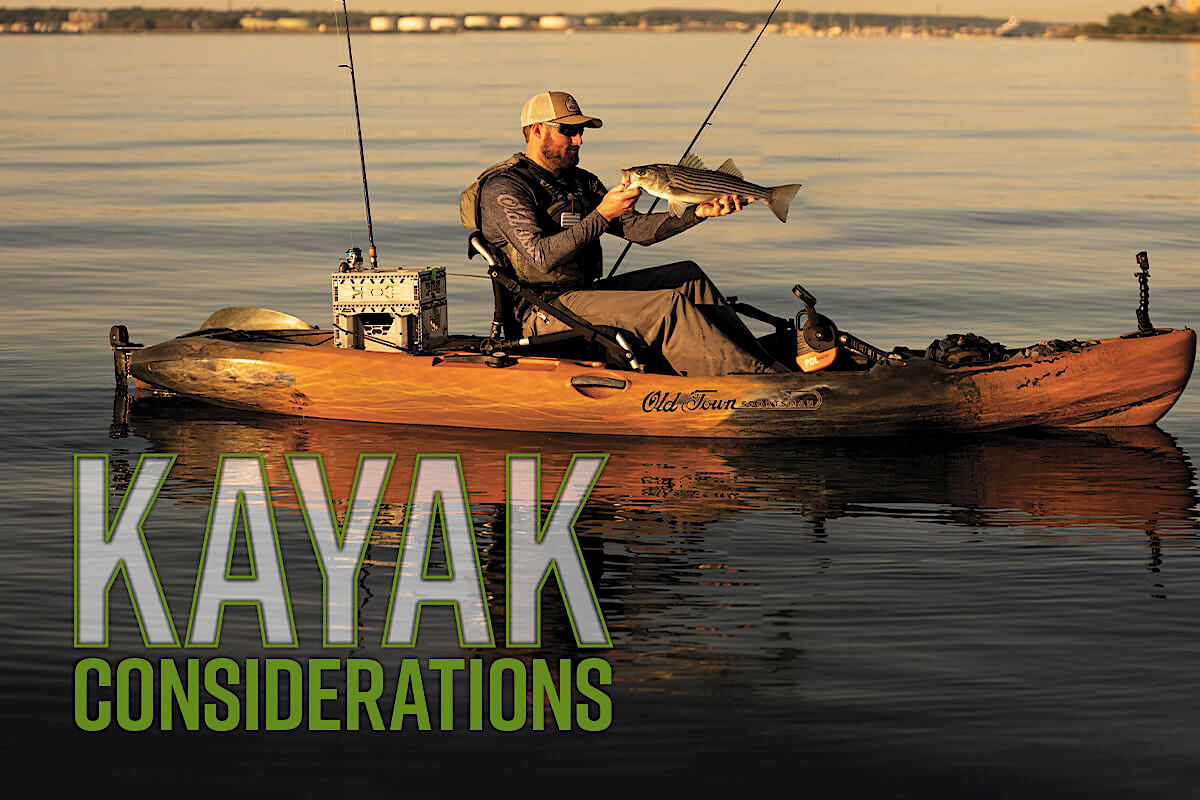
Kayak fishing has rapidly evolved from a niche hobby to a mainstream fishing trend. Anglers everywhere are embracing the sport for its adventure and accessibility. In this surge, consideration for the ideal fishing kayak becomes paramount.
Popularity Of Kayak Fishing
Kayak fishing gains fans daily. This popularity surge is due to multiple factors, including:
- Low costs compared to traditional boats
- Access to diverse water bodies, including hard-to-reach areas
- environmentally friendly approach with minimal noise and disruption
- Physical benefits like improved strength and cardio
Benefits Of Fishing On A Kayak
The benefits are clear and impact the fishing experience:
| Benefit | Description |
|---|---|
| Stealth | A quiet approach increases the chances of a good catch |
| Portability | Easy to transport, leading to greater exploration |
| Exercise | Engages core muscles, providing a full-body workout |
| Connection | A closer connection to nature and water enhances the experience |
Types Of perfect Fishing Kayaks.
Choosing the right fishing kayak involves understanding the different types available. One size does not fit all. What works for one angler may not work for another. Fishermen should consider the various types of kayaks.
Sit-on-top Vs. Sit-in Kayaks
Sit-on-top kayaks are user-friendly and stable. They are easy to get on and off. They have open cockpits. This kind is good for warm climates. However, you will get wet. Sit-in kayaks have enclosed cockpits. They are good for cold weather. They keep you dry. They offer better control. You need more skills to use them. Below are more points about each type:
- Stability: Sit-on tops are wider, which adds to stability on the water.
- Storage: Sit-in models have built-in storage space that’s protected from water.
- Maneuverability: Sit-ins offer more control for quick turns and agility.
Inflatable Vs. Hardshell Kayaks
When choosing between inflatable and hardshell kayaks, consider storage and performance. Inflatables are light. They are good for travel and easy to store. Hardshells are durable. They offer consistent performance. They are better for rough waters.
| Type | Pros | Cons |
|---|---|---|
| Inflatable Kayaks |
|
|
| Hardshell Kayaks |
|
|
Stability And Performance
Navigating the waters to find the perfect fishing kayak involves a deep dive into stability and performance. The right balance ensures a successful outing, with safety, comfort, and disability at the core.
Importance Of Kayak Stability
Stability sets the stage for confidence on the water.
It affects how well the kayak handles movement.
Look for a wide beam and consider your experience level.
Primary stability lets you enter and exit with ease.
Secondary stability handles rough water and big catches.
Choose based on the type of fishing and water conditions.
- Flatwater fishing leans on primary stability.
- Choppy conditions require secondary stability.
Hull Design And Water Performance
The hull is your kayak’s foundation.
Different shapes impact speed and maneuverability.
| Hull Type | Performance |
|---|---|
| Flat Hulls | Great for beginners, stable and versatile. |
| Round Hulls | Faster, glide well, handle waves. |
| V-shaped Hulls | Cuts through water, good for long distances. |
| Pontoon Hulls | A mix of stability and speed, ideal for standing. |
Think about your destinations.
Will you face lakes, rivers, or coastal waters?
Match the hull design with your water trails.
Long, narrow kayaks are speedy but less stable.
Wider kayaks offer stability but sacrifice speed.
It’s all about finding the right kayak for your adventure.
Length And Width Considerations
The dimension of a fishing kayak drastically influences performance and stability. Length and width are not just numbers. They shape your experience on the water.
Impact On Speed And Maneuverability
Longer kayaks slice through water, making them perfect for speed. Shorter ones turn easily, giving you better control. A slim width enhances speed, but too slim can mean less stability.
- Long kayaks: Great for long distances
- Short kayaks: Better for tight spots
- Narrow kayaks: Fast but tippy
- Wide kayaks: Slow but stable
Suitability For Various Water Types
Choose a kayak that matches the water you’ll explore. Bigger, open waters call for longer kayaks. Smaller or enclosed areas work best with shorter ones.
| Water Type | Kayak Length | Kayak Width |
|---|---|---|
| Oceans, Lakes | Longer | Medium to Wide |
| Rivers, Creeks | Short to Medium | Wide |
Comfort And Ergonomics
Fishing kayaks should be cozy nests—your comfort on the water is crucial. It affects your stamina and joy. Tailoring your kayak to fit your body can mean the difference between a grueling outing and a serene escape.
Seat Quality and Adjustability Section
Seat Quality And Adjustability
The seat is the throne of your fishing kayak. Choosing the right one avoids soreness during long trips. A good seat should have:
- High-back support
- Padding that withstands wet conditions
- Ease of adjustment
Adjustability allows you to tweak the seat for perfect alignment and comfort. Ensure your kayak’s chair offers multiple positions. You might find yourself adjusting frequently.
Foot Pegs and Thigh Braces Section
Foot Pegs And Thigh Braces
Stability and control stem from a proper footrest and thigh brace setup. These keep you secure when reeling in a catch or paddling through choppy waters.
| Feature | Function | Benefit |
|---|---|---|
| Adjustable Foot Pegs | Allows for variation in leg length | Prevents cramps and discomfort |
| Thigh Braces | Offers grip during maneuvers | Enhances control and stability |
Both features should fit your legs snugly without being too tight. Check for adjustability to ensure they can adapt to your body size and paddling style.
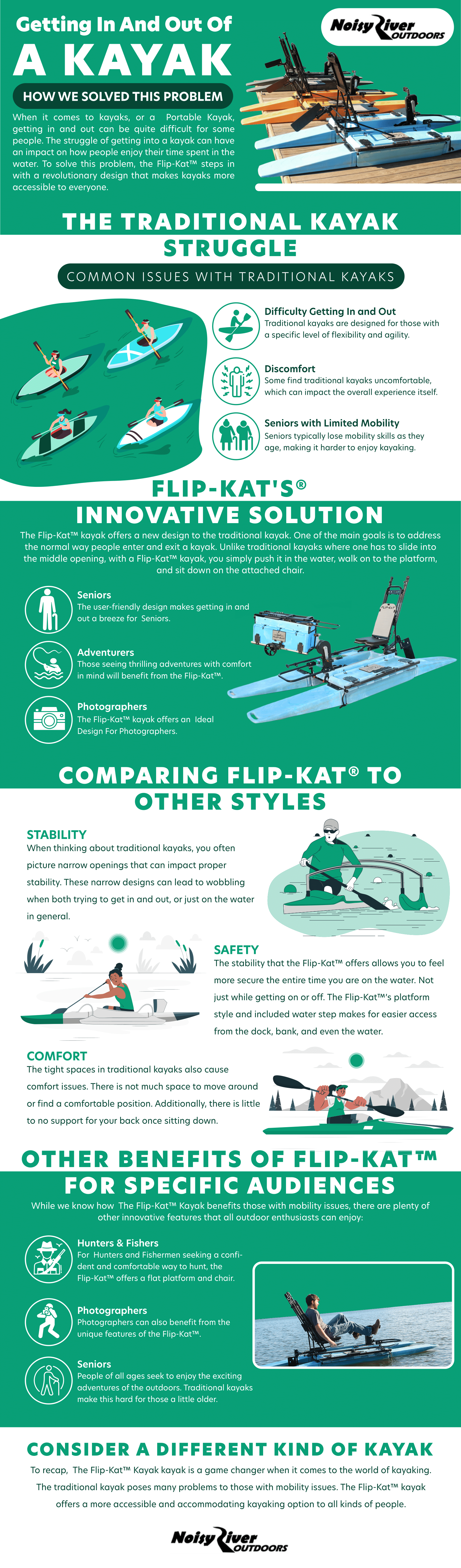
Credit: noisyriveroutdoors.com
Storage And Capacity
A savvy angler knows that storage and capacity are vital in choosing a fishing kayak. These aspects impact the ease and comfort of your fishing ventures. Let’s dive into why storage options and load capacity are crucial when selecting the perfect fishing kayak.
Maximizing Gear And Catch Storage
Organized space for equipment means longer time on water, and less hassle. Think about the amount of gear you’ll carry. This includes tackle boxes, rods, bait, tools, and personal items. Look for kayaks with built-in compartments, this keeps items secure and water-free. Also, look for kayak models with additional storage wells, perfect for your catch of the day or extra gear.
- Front and rear storage areas: Good for large items and catch.
- Sealed hatches: Protect valuables from water.
- Accessory mounts: Customize your kayak with gadgets.
- Bungee cord systems: Easy access to frequently used items.
Weight Capacity And Distribution
The boat’s weight limit dictates how much you can bring aboard. Exceeding this limit could compromise the kayak’s stability and safety. Check the kayak’s maximum weight capacity and remember to include your weight plus all of your gear.
The way weight is distributed on the kayak also matters. Good weight distribution ensures stability and optimal performance. A kayak might tip if loaded unevenly. Some kayaks have adjustable seats and gear placements to help balance the load.
| Kayak Type | Max Weight Capacity | Ideal for |
|---|---|---|
| Recreational Kayak | 250-300 lbs | Light gear, short trips |
| Fishing Kayak | 400-500 lbs | Heavy gear, long adventures |
| Touring Kayak | 350-400 lbs | Multi-day trips |
When selecting a fishing kayak, always verify the weight capacity to match your fishing needs. By choosing wisely, ensure a secure and delightful experience on every fishing trip.
Portability And Transport
Exploring the influence of ‘Portability and Transport’ in your fishing kayak experience is crucial. These factors will affect not only the ease with which you can reach the water but also the overall enjoyment of your fishing adventure.
Ease Of Transport And Loading
Making sure your kayak is easy to move plays a big role in your fishing trips. You want a kayak that can glide from your storage space to the water’s edge without trouble. Let’s talk about ways to make this process simpler:
- Consider kayak carts. These handy tools can help you roll your kayak from your car to the shore.
- Look for convenient handles. Handles on the front and back make carrying your kayak a breeze.
- Assess the kayak’s hull design. A smooth hull might slide easier on different surfaces.
Kayak Weight And Carrying Considerations
The weight of the kayak directly affects how easy it is to carry. Lighter kayaks simplify transportation, especially for solo paddlers. Consider these points:
| Kayak Material | Weight Range | Carrying Ease |
|---|---|---|
| Polyethylene | Heavier | Difficult |
| Fiberglass | Moderate | Moderate |
| Carbon Fiber | Lightest | Easiest |
Keep these weight ranges in mind when considering kayaks. Remember, the right fit depends on your personal strength and the distances you’ll carry your kayak. Kayak weight impacts not only portability but also stability and performance on the water.
Additional Features And Accessories
Choosing a fishing kayak involves more than just deciding on length and stability. Anglers must consider the kayak’s potential for customization and the inclusion of useful accessories. These features transform a simple kayak into an angler’s oasis. This section delves into the essentials that elevate your fishing experience, including rod holders and mounts and how they cater to customization demands for fishing enthusiasts.
Rod Holders And Mounts
Keeping hands free is crucial for anglers. Rod holders provide comfort and convenience while trolling or when switching between paddling and fishing. A kayak with multiple mounting options offers versatility in positioning fishing gear. Look for models that include:
- Built-in rod holders for quick and easy access.
- Adjustable mounts to suit different fishing styles and conditions.
- Track systems allow for the personalization of rod placement.
Remember, the right amount and placement of rod holders can be the difference between a good trip and a great one.
Customization Options For Anglers
Fishing kayaks come with a variety of customization options. Seasoned anglers often have specific needs, and the ability to tweak a kayak can significantly enhance its functionality. Features to consider include:
| Custom Feature | Benefit |
|---|---|
| Accessory tracks | Easy add-ons without drilling holes |
| Storage compartments | Secure gear and catch |
| Mounting plates | Attach equipment like fish finders or GPS |
| Anchor systems | Stable positioning in various water conditions |
Look for kayaks with pre-installed accessory mounts or rails for easy personalization. This ensures you can customize your kayak without compromising its warranty or structural integrity.
Budget And Brand Reliability
Exploring the waters while fishing often calls for a vessel that is robust, reliable, and suitable for your specific needs. Among the most crucial factors to consider is the balance between your budget and the reliability of the brand you choose. Here, we delve into the intricacies of this balance, helping you make an informed decision for your next fishing kayak acquisition.
Cost Vs. Quality Trade-offs
Finding the right fishing kayak requires understanding the relationship between its cost and the quality it offers. A kayak’s price tag is influenced by materials, design, and features that may enhance your fishing experience. It’s vital to weigh these attributes against the intended use and frequency to determine the value a higher-priced option may present over less expensive models.
- Lower-cost kayaks might save you money but could lack durability or stability on the water.
- Mid-range options often balance affordability with vital features like rod holders and storage compartments.
- Investing in a high-end model often provides innovations in comfort and performance, designed for the seasoned angler.
Reputable Kayak Brands For Fishing
The brand of your fishing kayak can be a testament to its quality and reliability. Well-known brands often come with assurances like warranties and active customer service. Familiarize yourself with notable companies in the kayak community for peace of mind during your aquatic adventures.
| Brand Name | Key Features | Price Range |
|---|---|---|
| Hobie | Innovative pedal systems | Premium |
| Ocean Kayak | Stable, user-friendly designs | Mid-range to Premium |
| Vibe | Balanced performance | Mid-range |
| Sun Dolphin | Cost-effective for beginners | Entry-level |
| Old Town | High-quality materials | Mid-range to Premium |
When choosing a fishing kayak, match your budgetary constraints with a brand that stands for reliability and customer satisfaction. Trusted brands can maximize your investment through their commitment to quality and innovation in fishing kayak design.
Environmental And Safety Considerations
Kayaking brings you closer to nature and demands respect for both environmental conditions and personal safety. Before paddling out, consider the kayak’s suitableness for diverse waters. Prepare with appropriate safety equipment. A successful fishing kayak experience balances enjoyment with a commitment to preserving nature and ensuring safety.
Adaptability To Different Water Environments
Choosing the right fishing kayak involves understanding the differences between water bodies. Lakes, rivers, and coastal waters present unique challenges. The kayak must handle these conditions. Features such as a stable hull design and adjustable tracking systems can help navigate calm or choppy waters effectively. Look for kayaks that offer:
- Good maneuverability in tight spots
- Stability for still waters and light currents
- Durability against debris and rocks in rivers
- Saltwater resistance for ocean fishing
Safety Gear And Practices
Equipping your kayak with the right safety gear is crucial. Always carry a personal floatation device (PFD). It’s not just smart; it’s a legal requirement. Ensure your PFD is comfortable for long hours of wear. In addition to the PFD, essential gear includes:
| Equipment | Importance |
|---|---|
| Waterproof Communication Device | Call for help if needed |
| Emergency Whistle | Signal nearby boats or rescuers |
| First-Aid Kit | Treat minor injuries on the spot |
| Navigation Tools | Stay on course, avoid getting lost |
Practicing safe kayaking also involves knowing the weather patterns and water temperatures. A capsize drill prepares you for accidental flips. Always inform someone about your trip plan and expected return. With the right gear and knowledge, you can focus on the joy of fishing and exploring the waters.
Making The Decision
Making the right choice in a fishing kayak involves weighing various factors that align with your needs. It’s a balance between comfort, stability, storage, and maneuverability. Dive into the details to find the perfect match for thrilling angling adventures.
Personal Preferences And Fishing Style
Your unique fishing approach and personal comfort dictate the kayak design that’s right for you. Consider these points:
- Size and Weight: Match your body type and strength.
- Seating Comfort: Prolonged trips need supportive seats.
- Storage Space: Ensure enough room for gear and catches.
- Stability: Essential for casting and reeling in big fish.
- Portability: Easy transport leads to more water exploration.
Demo Days And Rental Opportunities
Test different kayaks in real conditions through demo days and rentals. Here’s why they’re beneficial:
- Feel the Kayak: Experience handling and comfort firsthand.
- Performance Testing: See how it fares in various water types.
- Comparison: Pit models against each other for the best fit.
- Make Informed Choices: Try before you buy to avoid regrets.

Credit: hub.jacksonkayak.com
Frequently Asked Questions For What Are The Main Considerations When Choosing A Fishing Kayak?
What Factors Affect Fishing Kayak Stability?
Stability is crucial when angling from a kayak. The kayak’s width, hull design, and length contribute to its stability. Wider kayaks generally offer more stability, which is good for beginners. The hull shape, either flat or rounded, also affects the kayak’s steadiness on the water.
How To Choose The Right Size Fishing Kayak?
Select a fishing kayak based on your height and weight. A longer kayak provides better tracking and speed, suitable for larger water bodies. Shorter kayaks are easier to maneuver, ideal for small lakes or rivers. Ensure the kayak supports your weight plus gear comfortably.
Is Kayak Seat Comfort Important For Fishing?
Yes, seat comfort is important since anglers spend hours on the water. Look for adjustable seats with good back support and cushioning. Comfortable seating can prevent fatigue and back pain, enhancing your overall fishing experience.
What Storage Options Are Essential In A Fishing Kayak?
Adequate storage is key for tackle, rods, and catches. Look for kayaks with built-in rod holders, waterproof compartments, and ample deck space. Some models offer customizable gear tracks for attachments. Good storage solutions keep essentials within easy reach while maximizing space.
Conclusion
Selecting the perfect fishing kayak involves balancing stability, storage, and comfort to meet your needs. Remember that durability and personal preferences like color and design matter too. For the best experience on the water, align these features with your fishing style and environment.
Your ideal kayak should enhance every cast and paddle stroke, promising countless angling adventures ahead. Enjoy your search!
