
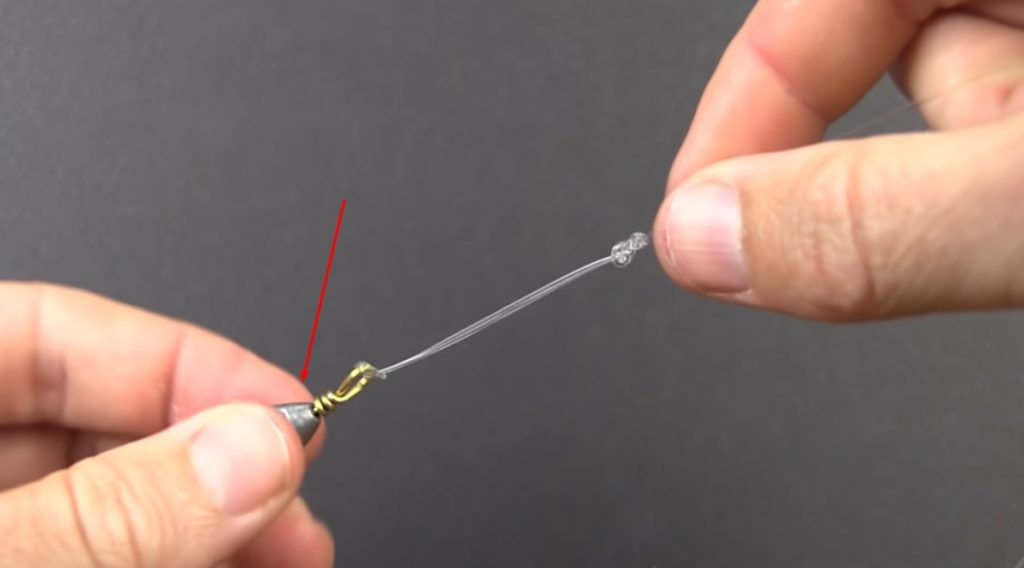
Weights should be placed just above the hook or along the fishing line at Several intervals. It depends on the desired depth and the fishing technique being used.
In the world of fishing, the proper placement of weights on a fishing line is crucial for a successful catch. Anglers attach weights to manipulate the depth at which the bait or lure is presented to the fish, which requires a strategic approach.
The type of fishing, whether it be float fishing, bottom fishing, or trolling, dictates the weight’s position. Lighter weights are often used for shallow waters, allowing the bait to move more naturally with the current. Heavier weights sink deeper, maintaining bait position in stronger currents or deeper water. Mastering the art of weight placement improves the chances of attracting the target fish and can mean the difference between an empty hook and a prized catch. Properly positioned weights also contribute to accurate casting, giving an angler better control over where their line lands, a subtle detail that can greatly improve the fishing experience. Let’s check Where Do the Weights Go on a Fishing Line

Introduction To Fishing Weights
Finding the optimal placement for fishing weights can significantly improve your angling success. Weights on a fishing line provide the necessary sink and cast distance, pivotal for luring in that perfect catch.
The right placement of weights on a fishing line can make a significant difference in your angling success. Weights, also known as sinkers, are pivotal in controlling the depth and distance of your cast. They bring your bait to the ideal spot where fish are feeding, thereby improving your chances of making a catch. Let’s Probe the purpose of weights in fishing, the Several types of weights used, and the factors affecting the choice of weights for a successful fishing endeavor.
Purpose Of Weights In Fishing
The primary role of adding weight to a fishing line is to increase the line’s weight, allowing the angler to cast further and more accurately. Weights help in sinking the bait to the desired depth, combating wind or current, and positioning the bait in the path of fish. Ensuring your bait remains in the strike zone longer can greatly improve your chances of a successful catch. Precisely tailored weight positioning can also contribute to a more natural presentation of the bait, enticing fish to bite.
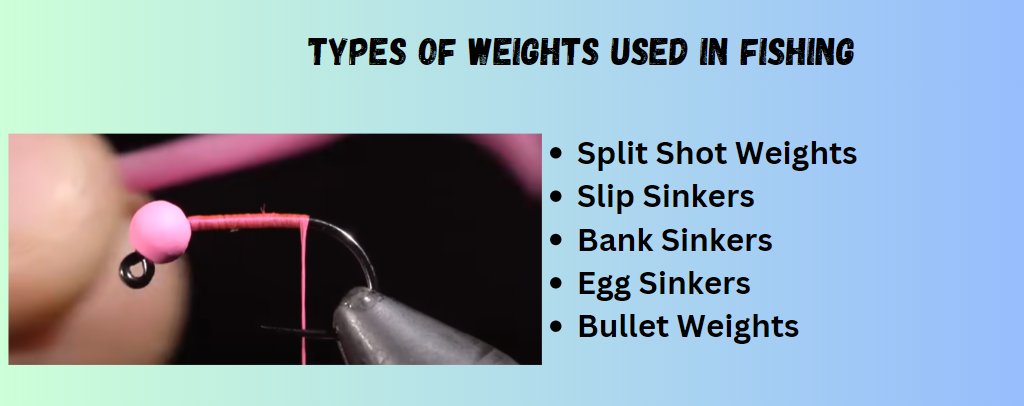
Types Of Weights Used In Fishing
- Split Shot Weights: Small, round, and easily attached to the line; ideal for subtle adjustments.
- Slip Sinkers: Designed to allow fish to take the bait without feeling the weight; perfect for bottom fishing.
- Bank Sinkers: Typically heavier, teardrop-shaped; best for strong currents.
- Egg Sinkers: Smooth, oval-shaped, and used for fish that are shy about biting.
- Bullet Weights: Cone-shaped, used primarily for weedless bass fishing.
Choosing the suitable weight type depends largely on the fishing environment and the targeted species.
Factors Affecting The Choice Of Weight
Determining the optimal weight calls for considering a combination of factors including:
| Fishing Conditions | Target Species | Type of Bait |
|---|---|---|
| Current strength, depth of water, and the presence of cover. | Behavior and feeding patterns of the fish. | Live bait versus artificial, and size of the bait. |
Water clarity, season, and fishing techniques play crucial roles in the choice of weights. Anglers must balance the need for a responsive setup with the need to reach the desired depth and maintain bait presentation.
Placement Fundamentals
The art of rigging your fishing line with weights is crucial to an angler’s success. Placement fundamentals aren’t just about attaching sinkers; they are about understanding their position relative to hooks and lures. The distribution and location of these weights dictate the behavior of your fishing rig underwater, affecting both your casting ability and the movement of your bait or lure.
Understanding Weight Distribution
Understanding weight distribution is key to achieving the desired depth and movement for your fishing setup. It’s not simply a matter of adding weights; it’s about evenly balancing them along the line so your rig neither spins unnaturally nor drifts too quickly. Consider these factors:
- The type of fishing line you use, as different materials have varying buoyancies.
- The weight and size of the bait or lure may require counterbalancing.
- Current conditions that could affect how weights behave underwater.
Impact Of Weight Placement On Casting
The placement of weights on your line can significantly affect casting performance. Weights that are too far from the lure can cause the line to arc awkwardly, reducing casting distance and accuracy. Conversely, weights placed too close might not allow for the appropriate action of your lure or bait. Follow these tips for optimal weight placement:
- Place heavier weights closer to the base of the line for longer casts.
- Use lighter weights or distribute them along the line for shorter, more controlled casts.
Influences On Bait And Lure Presentation
How you position weights on your line also influences how your bait and lure are presented to fish. For a natural appearance:
- Place weights at strategic points to mimic the movement of live prey.
- Ensure the arrangement doesn’t inhibit the lure’s action but improves it.
- Adjust weight distribution based on whether you want your bait to hover, sink slowly, or reach the bottom quickly.
Weight Placement For Different Fishing Techniques

Understanding the art of weight placement on a fishing line can turn a day of fishing from good to great. Different fishing techniques demand varied weight configurations for optimal bait presentation and to ensure your hook lands in the perfect spot. Let’s Plunge into how to strategically place weights for Several fishing styles to Amplify your chances of a catch.
Bottom Fishing: How To Position Weights
Bottom fishing targets fish that dwell near the seabed. This technique requires that weights be positioned just above the hook to ensure your bait stays close to the bottom where these fish are found. Weight placement can vary depending on the current and depth. Here’s a quick guide:
- Still Waters: A single weight can be used, positioned a couple of feet above the hook.
- Strong Currents: Use a heavier weight or a series of smaller weights spaced out to combat the water movement.
- Deep Waters: Consider using a drop-shot rig where the weight is placed at the very end of the line, and the hook is tied above.
Float Fishing And The Role Of Weights
Float fishing is perfect for capturing fish that feed mid-water. Here, weights act as stabilizers for the float, ensuring the bait sinks to the desired depth and stays in the target area. Optimal weight placement for float fishing includes:
- Attach the main weight just below the float to keep it upright.
- Distributing smaller ‘split shot’ weights down the line to control the rate of bait descent.
- Making fine adjustments to weight distribution to ensure the bait hovers enticingly in the strike zone.
Weights In Trolling: Strategies And Tips
Trolling involves dragging a lure behind a moving boat, and weights play a crucial role in keeping your lure at the right depth. Strategic weight placement while trolling can mean the difference between skimming the surface and targeting deeper waters. Tips for effective weight placement in trolling include:
| Condition | Weight Placement |
|---|---|
| Shallow Waters | Lighter weights closer to the lure to maintain a shallow trajectory. |
| Deep Waters | Heavier weights, potentially with a downrigger, to reach greater depths. |
| Weed-Infested Areas | Weights that allow the lure to run just above the weed line to avoid snags. |
Remember, each fishing situation may require different trolling speeds and weight adjustments. Experiment with Several configurations to find the one that yields the best results.
Weights And Line Setup
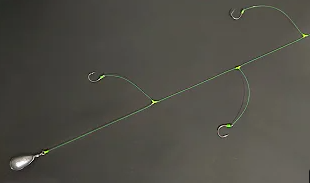
Understanding where to place weights on a fishing line denotes a blend of science and art. It’s about balance, precision, and adapting to water conditions. A well-configured line setup can transform a day on the water from fruitless to bountiful. Let’s Plunge into setting up your line with the correct weight placements for Several rigs, ensuring every cast you make counts.
Setting Weights For Dropper Rigs
Dropper rigs are a go-to for anglers targeting bottom-feeding fish. This arrangement requires strategic weight placement for optimal effectiveness. Follow these steps for a well-balanced dropper rig:
- Select your main line and tie a swivel to its end.
- Attach a leader line to the swivel, with your hook at the other end.
- Ensure the leader is sufficiently long, typically 18 to 24 inches.
- Position your weight between two uni knots, allowing it to slide with limited movement, usually 6 to 12 inches above the swivel.
Note: The dropper weight should align with the intended depth and current conditions. Adjust accordingly for stability and sensitivity.
Weights In Carolina And Texas Rigs
The Carolina and Texas rigs are popular among anglers seeking precision and versatility. Here’s a snapshot of how to set them up:
- Carolina Rig: Position the weight above a bead, followed by a swivel and then a leader line to the hook. This setup allows the bait to float above the bottom, creating enticing movements for fish.
- Texas Rig: Slide the weight right onto the line, followed by a bullet weight if necessary, then tie the hook directly to the line. This configuration is ideal for weedless presentations.
Remember to select the right weight based on the cover type and depth you’re fishing.
Adjusting Weights For Changing Conditions
Different weather and water conditions call for adjustments to your weight setup:
- Strong currents: A heavier weight anchors the bait against the push of the water.
- Calm waters: Opt for lighter weights to lend a more natural appearance and movement to your bait.
- Depth variations: Deeper waters demand additional weight to reach the bottom while shallower conditions require less.
Keep a variety of weight sizes on hand to adapt swiftly and seamlessly to the conditions at hand, ensuring maximum allure to your targeted fish species.
Best Practices For Weights On A Fishing Line

An integral part of setting up for a successful fishing trip involves rigging the line with the appropriate weights. Weights serve a crucial role in controlling the sink rate of your bait, ensuring it reaches the desired depth where fish are likely to be feeding. Mastering the best practices for placing weights on a fishing line can significantly increase the chances of a good catch. Diving into these best practices, we’ll focus on matching the weight to the species, considering environmental impacts, and finding the perfect balance between weight and line strength.
Match The Weight To The Target Species
Each fish species exhibits unique behaviors and habitats. Understanding these patterns is vital in selecting the right weight for your line. Heavier weights might be necessary to reach the bottom-dwelling catfish, while lighter weights could suffice for the mid-water swimmers like bass.
- Small fish: Light split-shot weights
- Medium fish: Egg or bullet sinkers
- Large fish: Bank or pyramid sinkers for improved anchoring
Environmental Considerations And Weight Choice
Fishing environments, from serene ponds to rushing rivers, demand different approaches. Strong currents necessitate a heavier weight to keep the bait stable. Alternatively, in still waters, a lighter touch avoids unnecessarily scaring away fish. Biodegradable weights reduce the environmental footprint and are best for conservation-focused anglers.
Maintaining Balance Between Weight And Line Strength
Finding harmony between the weight used and the line strength ensures not only efficient casting but also prevents line breaks. A heavy weight on a thin line spells disaster. Table 1 presents a quick guide to maintaining this delicate balance.
| Line Strength (lb test) | Recommended Weight Range (oz) |
|---|---|
| 2-4 | 1/64 – 1/16 |
| 6-8 | 1/16 – 3/8 |
| 10-12 | 1/4 – 1/2 |
| 14-17 | 3/8 – 3/4 |
| 20+ | 1/2 – 1+ |
Adhering to these best practices, anglers are sure to make the most of their fishing endeavors, potentially landing the catch of a lifetime.
Troubleshooting Common Weight Placement Issues
Ensuring your fishing line is properly weighted is crucial for a successful angling adventure. It’s not uncommon to face challenges with weight placement, which can lead to a host of issues that disrupt your fishing experience. Below are some of the most common weight placement problems and practical solutions to get you back to fishing with ease.
Resolving Line Twist And Tangling
Line twist and tangling are tell-tale signs that the weights on your fishing line may not be optimally positioned. This typically strikes when the weights are too close to the swivel or lure.
- Check the distance between the weight and the swivel. A good thumb rule is to maintain at least an 18-24-inch gap to prevent self-inflicted line twists during casting.
- Use a swivel that acts not just as a joining tool but also as a mechanism that allows the line to untwist during retrieval, keeping tangling at bay.
- Opt for heavier weights if you’re facing consistent twisting issues, as they help stabilize the line contour underwater.
Dealing With Weight Slippage
Weights sliding down the line can be a nightmarish scenario, especially when precision is key to landing a catch. Weight slippage often signifies a mismatch between the weight and the line used.
- Select the correct weight type, considering split shots or rubber core weights for a better grip on the line.
- Employ a weight stopper or a small bead to anchor the weight at the desired spot. This acts as a buffer, preventing any downward movement.
- Ensure knots are secure and the line is not overly greased, which could inadvertently cause weights to slip over time.
Adjustments For Uneven Weight Distribution
Uneven weight distribution can result in the bait presenting unnaturally, ultimately deterring fish from striking. Here are ways to rectify this and restore balance to your line.
| Issue | Solution |
|---|---|
| Weight biased towards one side | Repartition the weights along the line to centralize the center of gravity. |
| Weight causing the line to sink unevenly | Use additional weights or redistribute existing weights to attain the desired depth evenly. |
| Weight affecting the action of the lure or bait | Experiment with different weights and positions to find a setup that complements the bait’s natural action. |
Ensure that the HTML content is WordPress-friendly and follows standard web content accessibility guidelines.
Frequently Asked Questions Of Where Do The Weights Go On A Fishing Line
How Far From The Hook Should The Weight Be?
The weight should typically be placed 6-12 inches from the hook for optimal bait presentation and performance.
Where Does The Sinker Go On The Line?
Attach the sinker to the fishing line 6 to 12 inches above the hook, ensuring it’s properly secured for effective casting and sinking.
How Much Weight Do You Put On A Fishing Line?
The appropriate weight for a fishing line depends on the line’s strength and the fish species targeted. Typically, anglers use 1/8 to 1/2 ounce weights for light lines and up to several pounds for deep-sea fishing. Always match the weight to your fishing needs.
Adding weight to your fishing line isn’t a one-size-fits-all affair. The ideal weight varies based on several factors, making it crucial to strike the right balance for a successful fishing expedition.
Weight Selection: Choosing the best weight for your fishing line involves considering factors like water depth, current speed, and target fish species. For instance, lighter weights work well for shallow waters or when targeting smaller fish, while heavier weights suit deeper waters or stronger currents.
Attaching Weights: There are Several ways to add weights to your line, from split shots and twist weights to slip and clip weights. Each method offers different functionalities and ease of use, allowing anglers to customize their setups as needed.
Techniques: Tying a weight to your line requires precision. Whether it’s securing a bullet weight or tying a weight and hook combination, mastering these techniques ensures proper functionality without compromising your line’s strength.
Understanding fishing line weight and employing the right weight for your specific fishing conditions significantly impacts your success. Experimentation, combined with knowledge of fishing line strength, will guide you to find the perfect weight for your next catch.
How Do You Tie A Hook And Sinker On A Fishing Line?
Start by threading your line through the hook’s eye, then tie it using an improved clinch knot. To add the sinker, attach it above the hook using a simple overhand knot. Trim excess line.
Conclusion
Setting weights on your fishing line appropriately is essential for a successful catch. By considering the depth, current, and desired bait presentation, you achieve precision. Remember, the right balance leads to the best fishing experiences. Now, it’s time to cast your line and enjoy the rewards of a well-prepped fishing setup.
Happy angling!
