
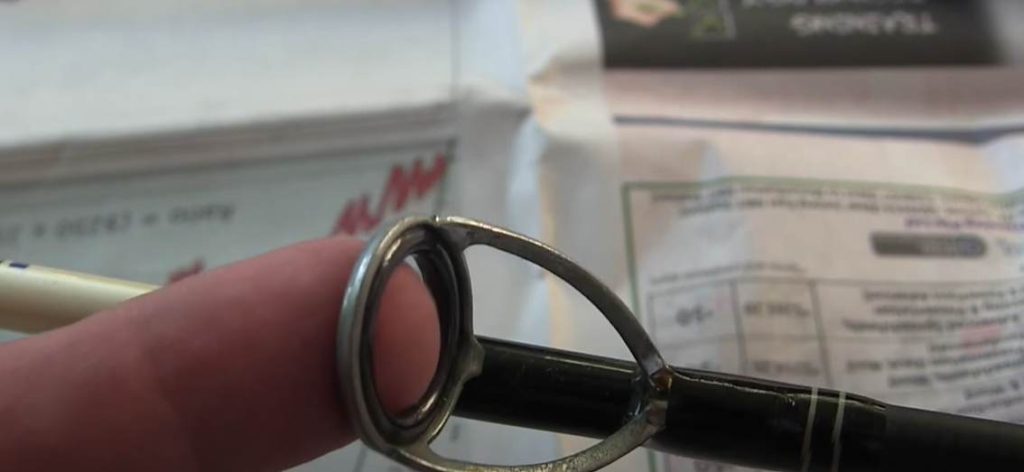
To remove corrosion from fishing rod guides, apply a mild acid-like vinegar using a soft brush, then rinse and dry thoroughly. You can also use a specialized cleaning solution designed for fishing gear.
Maintaining your fishing gear is essential for a successful and enjoyable day on the water. Seamless function is critical, including ensuring that rod guides are free from corrosive elements that can damage the line or hinder performance. Tackling the challenge head-on, anglers often turn to household items like vinegar or specialty products to combat corrosion. How to Remove Corrosion from Fishing Rod Guides

Regular cleaning not only prolongs the life of the fishing rod but also enhances the overall fishing experience. Starting with simple solutions like vinegar can often solve the issue, as it effectively breaks down rust without damaging the rod’s components. As a passionate fisher, keeping your equipment in top shape is as crucial as the knowledge of the waters you fish in. Let’s find out How to Remove Corrosion from Fishing Rod Guides
Assessing The Corrosion Damage
Eradicating corrosion from fishing rod guides can significantly extend the equipment’s life. This process involves a meticulous assessment of the damage to determine the appropriate restoration methods, ensuring anglers maintain peak performance on the water.
Corrosion in fishing rod guides can wreak havoc on their performance. Understanding the extent of this damage is crucial for effective restoration.
Corrosion weakens the guide’s structure, affecting its durability and functionality. It can lead to pitting, flaking, or even breakage, diminishing the rod’s efficiency.
Visual inspection helps identify visible signs like rust or discoloration. Non-destructive testing techniques such as ultrasonic examination or eddy current testing reveal internal corrosion without harming the rod.
Utilizing corrosion measuring devices like calipers or micrometers gauges the depth of damage. A thorough inspection of the entire guide system aids in determining the spread of corrosion.
Assessing the material’s resistance properties against corrosion through standardized tests like salt spray or corrosion chambers provides a quantifiable measure of its durability.
Assessing corrosion damage empowers anglers to effectively tackle restoration, ensuring their fishing rods remain robust and reliable.
Visual Inspection Of Guides
- Discoloration: A color change may suggest the onset of corrosion.
- Rust: Orange-brown spots are a clear indicator of rust, especially in the joints or crevices.
- Green Patina: In the case of brass or copper, a greenish layer may form, indicating corrosion.
- Pitting: Small, irregular holes or dents in the guide’s material usually mean advanced corrosion.
If the visual inspection reveals only surface rust or mild corrosion, chances are you can restore the guides to their former glory. On the contrary, signs of deeper damage might require more drastic measures, including guide replacement.
Checking For Performance Issues
- Run a cotton swab through each guide.
- Check for fibers that snag.
- Examine rough spots for potential snags.
- Listen for scratching sounds that signal irregularity within the guide.
Document your findings, perhaps in a simple table:
Add additional rows as necessary
| Guide Number | Visual Damage | Fiber Snag Test | Recommendation |
|---|---|---|---|
| 1 | Minor discoloration | No snag | Clean and polish |
| 2 | Pitting observed | Snagging fibers | Replace |
Cleaning Supplies And Safety Precautions
Tackling corrosion on fishing rod guides requires both effective cleaning supplies and adherence to safety precautions. Opt for specialized cleaners or mild household items like vinegar, and always wear protective gloves to safeguard your skin during the process.
Essential Cleaning Tools
Efficiently removing corrosion from fishing rod guides demands having the right tools on hand. Here’s a breakdown of what you’ll need:
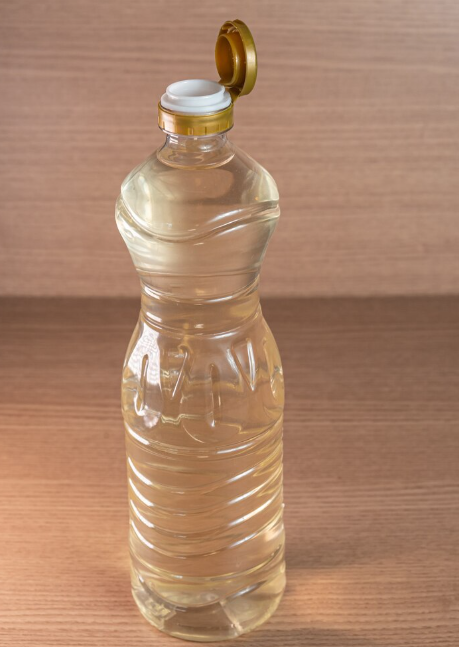
Vinegar: A mild acid that’s effective for dissolving rust.
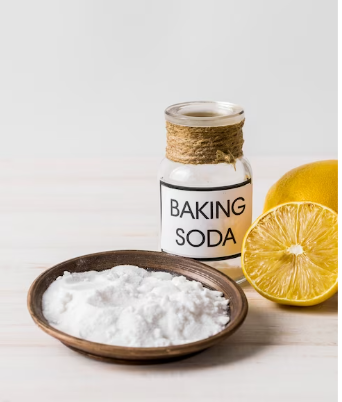
Baking soda: A slight abrasive that helps in cleaning without scratching the rod guides.
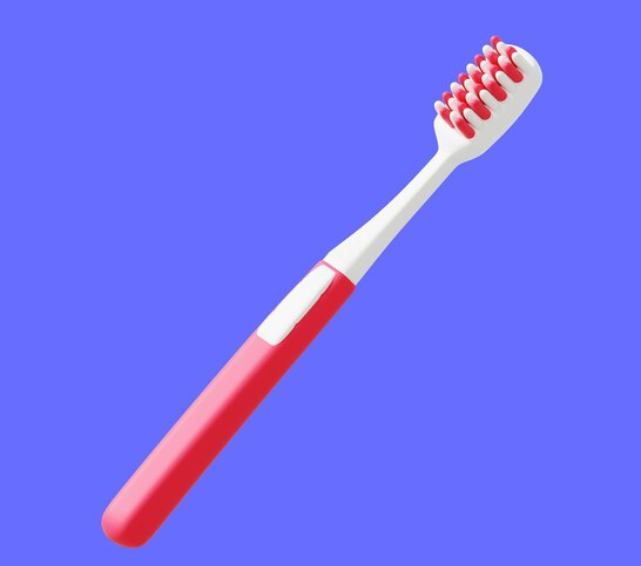
Toothbrush: Soft bristles reach into the crevices of the guides to remove debris.
Lemon juice: An alternative to vinegar, with natural acidic properties.

Steel wool: Fine grade for scrubbing tough corrosion.
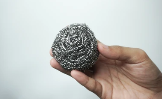
Clean cloths: For wiping down the guides after cleaning.
Protective gloves: To keep your hands safe from chemicals and abrasives.

With these tools, you’ll be prepared to remove the corrosion and restore the functionality of your fishing rod guides effectively.
Safety Measures For Handling Chemicals
When dealing with chemicals, even household varieties like vinegar and lemon juice, safety should be your top priority. Follow these steps to ensure safe cleaning:
- Wear protective gloves: This will protect your skin from any potentially harmful substances.
- Use in a well-ventilated area: Open windows or work outside to avoid inhaling fumes.
- Avoid direct contact with eyes: Wear safety goggles if splashes are a concern.
- Read labels carefully: Follow the manufacturer’s instructions for any commercial cleaning products.
- Dispose of materials properly: Do not pour chemicals down the drain. Instead, follow local guidelines for disposal.
- Rinse thoroughly: After cleaning, ensure all chemical residue is completely washed off to avoid further damage to the rod guides.
Step-by-step Cleaning Process
Find the effective method to eliminate corrosion from fishing rod guides with our simple, step-by-step cleaning guide. Safeguard your gear’s longevity by mastering the art of maintaining pristine conditions for optimal fishing performance.
Removing Loose Debris
To begin the process of removing corrosion from fishing rod guides, start by tackling loose debris. Use a soft brush or cloth to gently clear any dirt or loose particles accumulated on the guides. This initial step ensures a clean surface before applying specific cleaning solutions or treatments to address the corrosion effectively.
Applying The Cleaning Solution
To effectively combat corrosion on fishing rod guides, applying the cleaning solution is pivotal. Begin by carefully dabbing or spraying the specialized solution onto the affected areas. Let it sit for a few moments to penetrate the corrosion, then gently scrub it with a soft brush or cloth. Rinse the rod thoroughly to remove any residue and ensure it’s completely dry before storing or using it again. This method effectively targets and eliminates corrosion, restoring your fishing rod guides to their optimal condition for better angling experiences.
Using Gentle Abrasives For Stubborn Corrosion
For stubborn corrosion on fishing rod guides, employing gentle abrasives is a strategic approach. Delicate abrasives like fine-grit sandpaper or a non-abrasive pad can effectively tackle persistent corrosion without causing damage to the rod’s surface. Gently buffing the affected areas with these abrasives helps to gradually remove the corrosion, restoring the guides to their optimal condition without compromising their structural integrity.
Drying And Lubricating The Guides
After removing corrosion from fishing rod guides, it’s crucial to dry and lubricate them. Proper lubrication ensures smooth casting and prolongs the life of the guides by preventing future rust.
Preventative Maintenance Tips
Keeping your fishing rod in top condition is critical not only for longevity but also for efficacy when you’re out on the water. Preventative maintenance on your fishing rod guides can help avoid the annoyance of corrosion, which can affect your casting and reeling. By integrating a few simple steps into your fishing routine, you can ensure that your equipment remains in peak condition. Let’s Plunge into how to maintain your fishing rod guides with a regular cleaning schedule and protect them from harsh environmental factors.
Regular Cleaning Schedule
- Rinse your rod with fresh water after each use, especially if fishing in saltwater environments.
- Use a soft cloth or brush to gently clean the guides. Avoid abrasive materials that might scratch or damage them.
- Apply a mild soap solution if necessary, then rinse thoroughly to prevent soap buildup.
- Dry the rod completely before storing it to prevent moisture retention which can cause corrosion.
- Inspect your guides regularly for any signs of damage or wear and address them promptly.
Protecting Guides From Environmental Factors
- Use rod covers or sleeves when storing or transporting your rods to prevent scratches.
- Avoid direct sunlight for extended periods. UV rays can weaken the rod and cause the guides to degrade over time.
- Consider using a protective spray designed for fishing equipment to create a barrier against salt, moisture, and UV radiation.
- Store your rods in a cool, dry place away from chemicals or fumes that can corrode the guides.
Frequently Asked Questions Of How To Remove Corrosion From Fishing Rod Guides
How Do You Get Rust Off Rod Guides?
To remove rust from rod guides, gently scrub them using a mixture of water and vinegar or lemon juice. Apply with a soft brush, then rinse and dry thoroughly. For tough rust, consider using a specialized rust remover following the manufacturer’s instructions.
How Do You Clean Fishing Rod Guides?
Cleaning fishing rod guides is essential to maintain their performance and longevity. Here is a step-by-step guide on how to clean fishing rod guides:
Materials Needed:
Use a mild soap or dish detergent to clean dirt and grime without damaging the guide.
Soft cloth or sponge:
Choose a soft cloth or sponge to avoid scratching the rod guide.
Old toothbrush:
An old toothbrush is useful for cleaning hard-to-reach areas and removing stubborn debris.
Hot water:
Warm water helps break down dirt and makes the cleaning process more effective.
Microfiber towels:
A microfiber towel guide is excellent for drying and polishing.
Steps:
Visit the guide:
Before cleaning, inspect the guides for any damage or signs of wear. Replace damaged guides if necessary.
Remove reel and line:
Close the reel and remove the fishing line from the guide. This makes it easy to thoroughly clean each guide.
Wash the turmeric with warm water:
Rinse the guide with warm water to remove any loose dirt or salt deposits. Hold the rod with the guide facing down to prevent water from entering the reel seat.
Apply soap or detergent:
Apply a small amount of mild soap or dish detergent to a soft cloth or sponge. Gently rub each guide to remove dirt and grime.
Use a toothbrush for stubborn debris:
For stubborn debris or hard-to-reach, use an old toothbrush. Be gentle to avoid scratching the guide or damaging the rod finish.
Wash thoroughly:
Rinse the guides again with hot water to remove soap residue. Make sure all cleaning agents are completely washed off.
Dry with a microfiber towel:
Use a microfiber towel to dry the guides thoroughly. Pay attention to the areas around the guide feet and reel seats.
Inspect for damage:
After cleaning, check again to make sure the guides are undamaged and in good condition.
Reassemble the rod:
Once the guides are clean and dry, reassemble the rod by reattaching the reel and resting the line.
Apply lubricant (optional):
If your rod guides are equipped with inserts, you can apply a small amount of reel lubricant to the inserts to ensure smooth line flow.
Save properly:
Store your fishing rod in a cool, dry place to prevent corrosion and damage between uses.
Regular cleaning and maintenance will help extend the life of your fishing rod guides and ensure optimal performance during your fishing adventures.
How Do You Clean Corrosion Off A Fishing Pole?
To clean corrosion off a fishing pole, gently rub affected areas with a mixture of water and baking soda, then rinse and dry thoroughly. Use fine steel wool or a soft brush for stubborn spots. Always apply a light coat of oil to protect the pole afterward.
How Do You Fix A Fishing Rod Guide?
Repairing fishing rod guides is a common task for anglers and is relatively easy to do. Here is a step-by-step guide on how to fix a fishing rod guide:
Materials Needed:
New fishing rod guide (if the old one is damaged beyond repair)
Epoxy glue or rod guide repair glue
Small brush or toothpick
Fine-grit sandpaper
soft drink
Cotton swabs
Latex gloves (optional)
Inspect the damage:
Check the fishing rod guide to determine the extent of the damage. If the guide is completely broken or missing, you may need to replace it with a new one.
Remove old guides (if needed):
If the guide is broken or damaged beyond repair, carefully remove the remnants of the old guide. You can do this by gently cutting the remaining thread or epoxy with a small knife or razor blade.
Clean the area:
Use rubbing alcohol and cotton to clean the area where the guide will be placed. This ensures that the surface is free from dirt, grease, and old adhesives, promoting better adhesion.
Prepare replacement instructions:
If you replace the guide, make sure the new guide is the correct size and type for your fishing rod. It matches the other guides on your rod.
Apply epoxy or rod guide repair glue:
Wear latex gloves to protect your hands from the glue. Use a small brush or toothpick to apply epoxy or rod guide repair glue to the base of the guide legs. Make sure you cover the entire contact area.
Position the guide:
Carefully place the guide on the rod in the correct location. Align it with the other guides to maintain proper spacing.
Secure Guide:
If the guide has a leg that wraps around the rod, use thread or rod guide wrap thread to secure it. Begin wrapping the thread over the guide leg and continue wrapping tightly and evenly around the rod.
Apply more glue (optional):
Once the guides are in place and secured with threads, you can apply a small amount of additional glue around the guide legs for extra strength.
Smooth and clean:
Use a cotton swab or your gloved finger to smooth out any excess glue. If necessary, use fine-grit sandpaper to remove any rough edges or excess glue.
Let it cure:
Allow the adhesive to cure according to the manufacturer’s instructions. It’s usually 24 hours but check with the specific product you’re using.
Check Repair:
Once the glue has completely cured, gently check the repaired guide to make sure it is secure and properly aligned.
Be sure to follow the instructions on the adhesive product you choose, as cure times and application methods may vary. If you are unsure of a course of action, it is always a good idea to consult a professional or someone experienced in rod repair.
Conclusion
Tackling corrosion on your fishing rod guides is simple with the right approach. Regular maintenance ensures longevity and peak performance. Hug these steps to keep your equipment in prime condition. With your guides free from rust, your next fishing adventure awaits.
Enjoy seamless casting and a stellar angling experience.
