

Anglers and hunters need to wear life jackets and follow local regulations when fishing from a boat. Secure all gear to avoid accidents or pollution.
Boating and fishing are engaging ways to connect with nature and pursue outdoor sports. Ensuring safety and compliance with laws is paramount for those casting their lines from a vessel. Life jackets are a critical safety measure for everyone on board, reducing the risk of drowning in case of an unexpected fall into the water.
Adherence to local fishing laws, including size and bag limits, protects aquatic ecosystems and fish populations, making the pastime sustainable. Proper storage and securing of equipment prevents personal injury and protects wildlife from entanglement or ingestion of debris.

Responsible anglers and hunters respect both the law and the environment, ensuring that these pastimes can be enjoyed for generations to come. What Should Anglers And Hunters Do?
Safety Measures
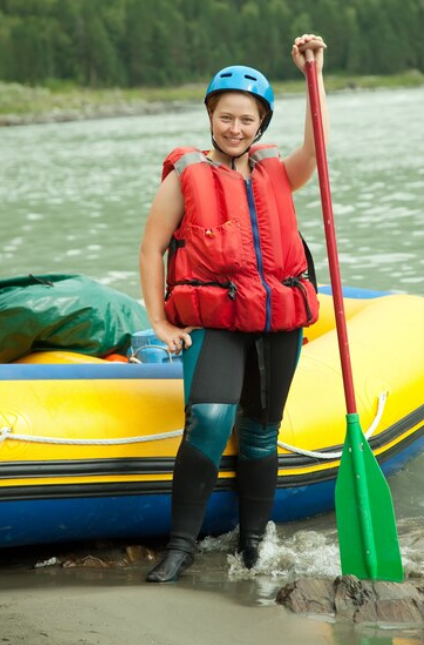
Anglers and hunters must prioritize safety while fishing from a boat by wearing life jackets and checking weather forecasts. They should also ensure their vessel has appropriate safety gear and that they communicate their plans with someone onshore.
Wearing Personal Floatation Devices (PFDs)
- Never compromise on personal safety: Wearing a PFD is a non-negotiable matter. It’s not just wise; it’s a regulation in many areas.
- Ensure that every individual on the boat has a properly fitting, coast-guard approved PFD.
- Check for damage or wear and tear before use. If the PFD shows signs of significant wear, replace it.
- Keep PFDs readily accessible at all times. In the event of an emergency, you’ll need to do them quickly.
- Instruct everyone on board on the proper usage of PFDs, especially children and non-swimmers.
Boat And Fishing Gear Safety Inspection
| Checklist Item | Details |
|---|---|
| Boat Condition | Inspect for leaks, and damages, and ensure that the boat’s hull is intact. |
| Motor and Fuel | Check the engine functionality and fuel levels. Verify that the fuel is fresh and that there are no line blockages. |
| Communication Devices | Make sure all communication devices, like marine radios, are fully charged and working. |
| Safety Equipment | Confirm that you have all required safety equipment on board, such as flares, signaling devices, and fire extinguishers. |
| Fishing Gear | Inspect rods, lines, hooks, and other gear for integrity and proper functionality. Secure all loose items to prevent accidents. |
The remaining content was omitted based on the instruction
Environmental Considerations
Anglers and hunters must prioritize environmental protection while enjoying their activities on the water. They should ensure all trash, especially bait and line remains, is properly disposed of to safeguard aquatic ecosystems.
Understanding Navigation Rules
- Right of Way: Know which vessels have priority and how to maneuver your boat accordingly.
- Speed Regulations: Abide by posted speed limits to avoid causing wakes that can erode shorelines and disturb local wildlife habitats.
- Trash Disposal: Never toss garbage or fishing line into the water—always bring waste back to shore for proper disposal.
- Sensitive Areas: Be aware of and avoid areas that are marked as environmentally sensitive or protected.
Practicing Ethical Catch And Release Techniques
- Proper Hook Selection: Use hooks that are easy to remove, such as barbless hooks, to reduce injury to the fish.
- Handling: Handle the fish as little as possible, and when you do, ensure your hands are wet to avoid removing their protective slime coating.
- Reviving the Fish: Gently hold the fish in the water until it starts to swim away on its own. This may take a few minutes for the fish to recover and regain its strength.
Equipment And Gear
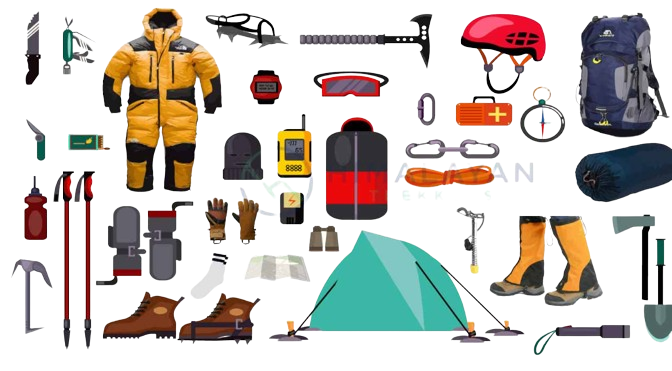
For both novice and seasoned outdoors enthusiasts, preparing for a combined fishing and hunting expedition from a boat involves considering an array of essential gear. Your success and safety depend on carefully selecting the right equipment and ensuring its top condition. With the vast choices available, it might seem overwhelming, but prioritizing quality and functionality will improve your overall experience on the water.
Choosing The Right Fishing And Hunting Tools
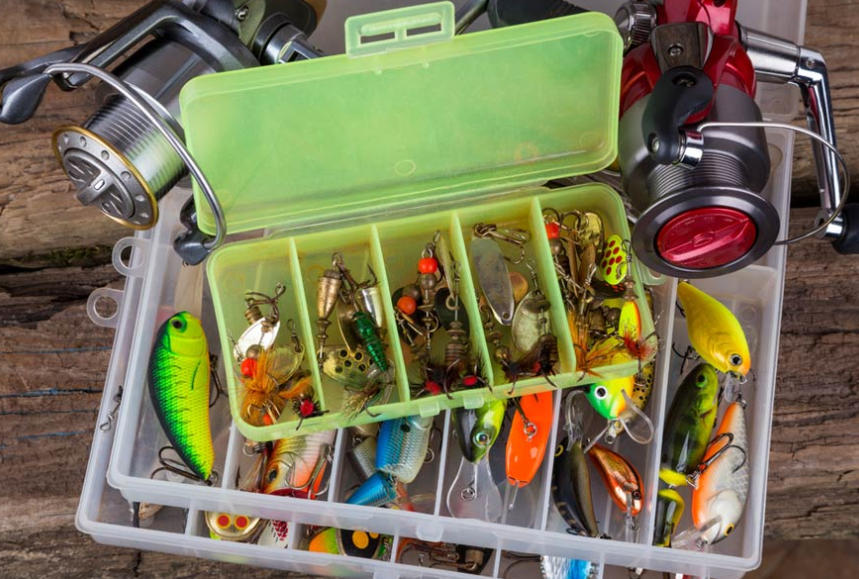
Selecting appropriate tools is critical for any angler or hunter. Factors like the target species, environment, and personal preference play a pivotal role. Below, discover the range of gear tailored to optimize your adventure:
- Fishing Rods: Opt for rods with the right length and action specific to the fish species you’re targeting.
- Reels: Reliable spinning or baitcasting reels ensure precision and control.
- Lures and Baits: A diverse collection of lures and baits can adapt to many scenarios and attract different fish.
- Hunting Firearms: Match your firearm to the game; from rifles for distance to shotguns for waterfowl.
- Optics: High-quality binoculars and scopes improve both your fishing and hunting experience, aiding in both spotting fish and targeting the game efficiently.
- Safety Gear: Life vests, first-aid kits, and signaling devices are non-negotiables for any boat trip.
Maintenance Of Fishing And Hunting Equipment

| Equipment | Maintenance Tips |
|---|---|
| Fishing Rods | Clean with fresh water after each use. Inspect for and repair any cracks or breaks. |
| Reels | Lubricate the moving parts regularly. Check for line wear or damage. |
| Firearms | Clean the barrel and action after use. Store in a dry, secure place. |
| Optics | Wipe lenses with a soft, lint-free cloth. Keep dust and dirt-free for clarity. |
| Safety Gear | Regularly check for wear and tear. Ensure functionality before each trip. |
Regulatory Compliance
Fishing and hunting from a boat isn’t just a test of skill and a connection to nature; it’s a journey through a maze of regulations and requirements. Every angler and hunter must understand and adhere to the rules established to protect both the participants and the environment. This section helps navigate the waters of regulatory compliance, ensuring a safe and legal outdoor excursion.
Understanding Local Fishing And Hunting Laws
- Species-specific regulations: Verify size and bag limits for each species.
- Seasonal restrictions: Acknowledge closed seasons to protect wildlife during critical times.
- Equipment guidelines: Ensure compliance with restrictions on baits, lures, and firearms.
- Waterway rules: Follow navigational laws and restricted use areas.
Consult with local wildlife agencies or visit their websites for comprehensive, up-to-date information. Ignorance can lead to unintentional infractions with serious consequences, including fines and loss of equipment.
Obtaining Necessary Permits And Licenses
Securing the correct permits and licenses is essential for legal fishing and hunting. Each state or region delineates specific requirements for many types of angling and hunting activities.
| Requirement | Description |
|---|---|
| Fishing License | A mandatory document for anyone looking to fish, often with different licenses for residents and non-residents. |
| Hunting License | An obligatory permit for hunting game, with additional tags required for certain species. |
| Boat Registration | Required for the vessel used, subject to regulations depending on size, type, and location. |
- Check requirements: Determine which permits are needed based on activity and location.
- Purchase ahead of time: Acquire all necessary documents well in advance of your trip.
- Keep on hand: Store licenses on your person or in a waterproof container on your boat.
Wildlife Conservation
As stewards of the natural world, anglers and hunters bear a critical responsibility towards wildlife conservation. Protecting the delicate balance of ecosystems while engaging in recreational activities is paramount. Approaching fishing expeditions with conservation in mind not only ensures the longevity of fishing traditions but also safeguards the biodiversity that thrives within these aquatic habitats. In this pursuit, minimizing human impact and actively participating in conservation efforts are central themes that must guide eco-conscious sportsmen.
Minimizing Impact On Wildlife
- Select quieter engines to reduce noise pollution, which can stress aquatic life and disrupt feeding and breeding behaviors.
- Use eco-friendly gear, including biodegradable lures and lead-free weights to mitigate the risk of toxic substances entering the water.
- Follow catch-and-release best practices, handling fish with wet gloves and using barbless hooks, ensuring minimal harm when returning them to the water.
- Avoid overcrowding in popular fishing spots and respect seasonal closures, which are often in place to protect spawning fish and other critical wildlife events.
- Maintain a safe distance from birds and other wildlife, to prevent disrupting their natural behaviors.
Participation In Conservation Efforts
Active involvement in conservation initiatives elevates the impact of individual actions. Anglers and hunters can contribute significantly in the following ways:
- Support local conservation organizations, either through donations or volunteer work; these groups often undertake crucial habitat restoration projects.
- Stay informed on local regulations and environmental issues; knowledge empowers responsible decision-making while on the water.
- Participate in citizen science programs that monitor fish populations and health, providing valuable data to researchers.
- Advocate for sustainable fishing practices among peers, encouraging a community-wide shift towards more conservation-minded approaches.
Embedding these practices into the core of angling and hunting activities not only amplifies the enjoyment of the sport but also fortifies the legacy left for future generations. Through mindful action and dedication, the fishing community can cast a wider net to protect and improve the ecosystems they cherish.
Frequently Asked Questions Of What Should Anglers And Hunters Do When They Are Fishing From A Boat
What Safety Measures Should Boaters Take While Fishing?
When Guiding California’s beautiful waters for a day of fishing or hunting, ensuring safety is paramount. Boaters must adhere to specific safety measures to guarantee a secure and enjoyable experience.
Check the Weather: Prioritize safety by checking weather forecasts before setting sail. Unpredictable weather can pose risks, so staying informed is crucial.
Boat Safety Equipment: Equipping the boat with essential safety gear is non-negotiable. Life jackets, fire extinguishers, and first aid kits are vital for emergencies.
Stay Protected from the Elements: Be prepared for changing weather conditions. Shield yourself from the elements with appropriate clothing and sun protection.
Insect Protection: Insect repellents safeguard against pesky bites, ensuring comfort during the trip.
Fishing Safety Rules: Adhere to established fishing safety rules to prevent accidents and protect the environment.
Five Safety Practices While Fishing: Practice caution when handling equipment, moving around the boat, and handling catches to prevent injuries.
By prioritizing these safety measures, anglers and hunters can ensure a secure and enjoyable fishing experience while staying mindful of their surroundings and personal well-being.
How Can Anglers Respect Local Fishing Regulations?
Anglers must follow local fishing laws by obtaining the appropriate licenses, adhering to catch limits and size restrictions, and obeying protected areas and seasons. It’s vital to stay updated as regulations can change.
What Are Essential Fishing Gears For Boat Anglers?
Essential fishing gear for boat anglers includes a suitable rod and reel, bait or lures, line, tackle box, pliers, net, and a cooler for keeping fish fresh. Invest in waterproof gear to protect your equipment.
How To Navigate A Boat Safely While Fishing?
To navigate safely, boat anglers should be familiar with boating signals, and right-of-way rules, and keep a proper lookout. Use maritime charts, and GPS for route planning, and always drive the boat at safe speeds.
Conclusion
Safety and awareness are key for anglers and hunters aboard a vessel. Always wear a life jacket, respect wildlife laws, and prepare for changing weather conditions. By following these tips, your aquatic adventures can be both enjoyable and responsible, ensuring a great experience on the water every time.
Happy fishing!
