
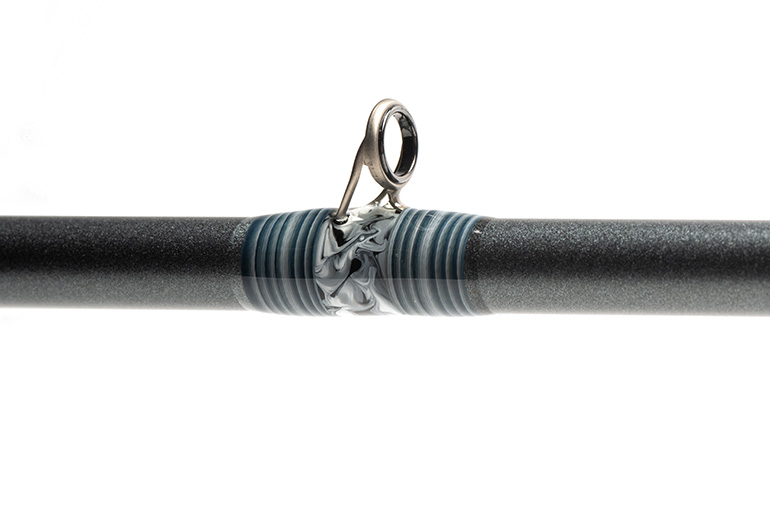
To position fishing rod guides for optimal performance, space them evenly, optimizing line flow and reducing friction. Consider the rod’s length and flex during placement.
Selecting the ideal positions for fishing rod guides is crucial for enhancing your overall fishing experience. Proper guide alignment ensures that your fishing line flows smoothly, minimizing wear and maximizing casting distance. With rod performance on the line, experienced anglers pay close attention to the spacing and sizing of the guides.
This careful setup not only improves sensitivity and control but also plays a pivotal role in distributing stress along the rod when battling a catch. Crafting a well-balanced fishing rod involves analyzing the unique characteristics of your equipment, an approach that can make all the difference during those critical moments of reeling in a trophy fish. Remember, strategic guide placement elevates your fishing game, transforming a good fishing rod into a great one.
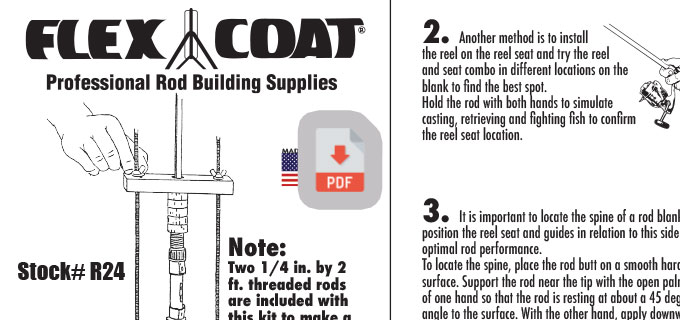
Credit: www.in-fisherman.com
Introduction To Rod Guides
Introduction to Rod Guides: The small, yet crucial parts on a fishing rod are the guides. They direct your line from reel to tip, orchestrating the smooth ballet of casting and retrieval. Perfectly positioned guides ensure a balanced rod and an exceptional fishing experience.
Importance Of Correct Guide Placement
Guide placement dictates the rod’s overall balance and strength. Precise placement reduces stress along the rod, preventing potential damage. It also enhances sensitivity, transmitting the lightest nibbles to your hands.
- Even Distribution: It prevents line tangles during casts.
- Improved Accuracy: Guides positioned correctly improve casting accuracy.
- Maximized Efficiency: Proper spacing aids in the effective transfer of energy throughout the cast.
Impact Of Rod Guides On Performance
Rod guides influence performance in several ways. They affect casting distance, accuracy, and the ease of landing a fish. Optimal guide placement contributes to a smooth, frictionless journey for your line.
| Guide Feature | Impact on Performance |
|---|---|
| Size | Larger guides allow for longer casts; smaller guides offer more precision. |
| Material | Quality materials reduce friction and wear on the line. |
| Spacing | Proper spacing prevents the line from slapping the rod, enhancing control. |
Types Of Fishing Rod Guides
Types of Fishing Rod Guides are crucial for any angler looking to enhance their fishing experience. These small yet significant components maintain line control, impacting casting distance and smoothness. Understanding the differences in guide types is essential for optimizing rod performance. Let’s dive into the specifics.
Single-foot Vs Double-foot Guides
Rod guides come primarily in two styles: single-foot and double-foot. Each type has its own advantages. Single-foot guides are lighter, adding less weight to the rod. This can increase sensitivity and reduce fatigue during extended use. They are typically found on lighter-action rods. Conversely, double-foot guides provide more stability and durability, making them a common choice for heavier-action rods that battle larger fish. Let’s break them down:
- Single-Foot Guides:
- Lightweight design
- Increased sensitivity
- Ideal for light applications
- Double-Foot Guides:
- Enhanced stability
- Greater durability
- Suited for heavy-duty fishing
Material Choices For Guides
The performance of rod guides heavily relies on their materials. Different materials offer various benefits, from smoothness to resistance against wear. Common materials include aluminum oxide, silicon carbide (SiC), and stainless steel. Here’s a simple comparison:
| Material | Smoothness | Durability | Cost |
|---|---|---|---|
| Aluminum Oxide | Good | High | Affordable |
| SiC (Silicon Carbide) | Excellent | Very High | Premium |
| Stainless Steel | Fair | Moderate | Cost-Effective |
Each material brings a unique element to fishing rod guides. Anglers should choose based on the balance they seek between performance and cost. The guide’s material can affect casting accuracy and the lifespan of both the line and the rod itself.
Measuring For Guide Placement
Perfectly positioning fishing rod guides ensures optimal performance and a smooth fishing experience. It’s a critical step for both amateur and professional anglers. Precise guide placement enhances casting distance and accuracy. It also helps in line control and reduces wear and tear. Let’s dive into how you can measure for guide placement with accuracy and ease.
Tools And Techniques For Measuring
Having the right tools is essential for accurate measurements. Equip yourself with these items:
- Measuring tape – For distance measurements along the rod.
- China marker or tape – To mark guide positions.
- Rod building jig or surface – Helps to keep the rod steady.
Start by laying the rod on a flat surface. Secure the rod so it doesn’t move. Use your measuring tape to determine the position of the first guide near the handle. Then, mark this spot with your marker or tape. Repeat this for each guide along the rod’s length.
Calculating Guide Spacing
Guide spacing is vital to rod performance. Follow this method for calculating:
- Measure the rod’s length from tip to butt.
- Divide this length by the number of guides plus one.
- This gives the space between each guide.
Different rods require unique spacing. Consult a spacing chart for your rod type. Adjust your marks according to the chart’s recommendations. Always double-check your measurements before the final guide placement.
Remember, practice and precision are crucial. With each rod you set up, the process will become more intuitive.

Credit: m.facebook.com
The Static Load Test
When setting up fishing rod guides, the Static Load Test plays a critical role. This test mimics the bending curve of your rod under load, reflecting a real-life fishing scenario. It ensures each guide works in harmony, distributing stress efficiently. Guides placed correctly reduce the risk of snapping your rod, aid in longer casts, and improve sensitivity.
Performing The Test Effectively
To perform the Static Load Test:
- Assemble the rod and attach the guides with tape temporarily.
- String the line through the guides.
- Secure the rod to a stable surface or hold it horizontally.
- Hang a weight corresponding to your rod’s rating near the tip.
- Observe the bend of the rod, ensuring a smooth arc without sharp angles.
- Adjust the tension to simulate casting and battling fish.
Boldly look for areas where the line may be too far from the rod. These spots indicate needed adjustments to guide placement.
Adjusting Guide Placement Based On Results
Results guide your next steps:
- Boldly readjust the distance between guides if gaps appear.
- Ensure the line forms a gentle, even curve with the bent rod.
- Re-tape the guides in their new positions.
- Perform the Static Load Test again to confirm the adjustments.
The goal is a smooth arc that maintains consistent line tension during casts and retrieval.
Use the test findings to position your guides for peak performance. This leads to enhanced casting accuracy, increased sensitivity, and reduced strain on your fishing rod.
Concept Of Spine Alignment
The concept of spine alignment plays a critical role in the setup of a fishing rod for peak performance. By precisely positioning the rod guides in relation to the rod’s spine, anglers can enhance the rod’s action and sensitivity, leading to more efficient casts and robust fish fighting capabilities.
Finding The Rod’s Spine
To locate the spine, or the ‘backbone’, of a fishing rod, perform the following steps:
- Place the rod horizontally on a flat surface
- Support the rod at each end, allowing a section to hover freely
- Gently press down on the hovering section
- Observe the rod as it naturally bends to one side – this is the spine
Marking this spine with a marker ensures you can reference it during guide alignment.
Aligning Guides With The Spine
Once you’ve located the spine, it’s essential to align the rod guides correctly. Here’s how to do it:
- Secure the rod in a vise or similar tool with the spine facing up
- Place guides along the rod, with their rings centered over the marked spine
- Use masking tape to temporarily affix the guides in position
- Ensure all guides are in a straight line when viewed from above
Correct alignment reduces stress on the rod, maintains a uniform bend, and optimizes casting accuracy.
Guide Spacing Formulas
Optimizing your fishing rod’s performance starts with the correct placement of rod guides. Critical for both casting and retrieving, guide spacing can affect your rod’s flexibility and strength. Utilizing formulas and spacing charts specific to rod types aids in precision.
Understanding Guide Spacing Charts
A guide spacing chart provides a starting point for positioning guides on a fishing rod. Accurate spacing ensures a balanced rod that bends evenly under strain. Charts list measurements from the rod tip to each guide.
| Guide Number | Distance from Tip (inches) |
|---|---|
| 1 | 4 |
| 2 | 8 |
Start at the tip and work downward for the best results.
Customizing Formulas For Specific Rod Types
Different rod types, like spinning and casting rods, need tailored guide spacing. This customization prevents line slapping and friction, enhancing performance.
- Spinning Rods: Require more and smaller guides closer to the reel.
- Casting Rods: Feature fewer, larger guides spaced further apart.
- Fly Rods: Employ spaced guides designed to manage light lines and long casts.
Edit the chart based on your rod’s action and length. Utilize mathematical formulas or online calculators to determine optimal positions. Measure carefully and adjust as necessary.
Test casts with temporary placements ensure your adjustments yield the best results. Finalize your guide placement once tests confirm a smooth, balanced action.
Attaching Guides To The Rod
Proper placement and attachment of guides on a fishing rod can make a big difference in performance. To ensure your rod performs at its best, follow these careful steps for attaching guides. Precision is key for casting accuracy and sensitivity.
Securing Guides With Thread Wraps
Starting the thread wrap is a critical first step in attaching your guides. Line up each guide with the rod’s spine. Secure it with a few tight wraps of thread, holding the guide in place. No tool compares to the precision of a well-wrapped guide.
- Use a guide wrapping jig if possible to maintain tension and alignment
- Alternate between different wrap styles like cross wraps for added strength
Keep your thread tight and even, preventing any slippage or gaps. Once the thread wraps are complete, your guides are well on their way to being a permanent part of your rod.
Guide Epoxy Application Tips
Applying epoxy to your guide wraps secures them against the stresses of fishing. This step also protects the thread from the elements. Here are some tips for a smooth application:
- Choose the right epoxy – Opt for a high-quality, clear, and flexible finish
- Mixing is crucial – Combine the epoxy components thoroughly to avoid an uneven cure
- Use a rotating drying motor to prevent sagging and ensure an even coat all around
Apply the epoxy with a small brush for precise control. Watch for air bubbles and smooth them out immediately. Allow the epoxy to cure fully for a durable and clear coat that will protect your guides for years to come.
Fine-tuning Guide Placement
Ensuring your fishing rod performs at its best involves precise guide placement. This stage is crucial for casting accuracy and sensitivity. Strategic guide configuration leads to improved rod balance and an optimized fishing experience.
Incremental Adjustments For Balance
Guides influence rod balance. Placement affects your casting and comfort. Begin with the manufacturer’s recommendations but don’t hesitate to customize.
- Mark the rod at each proposed guide location.
- Attach guides with tape for a preliminary layout.
- Perform a “dry run” to assess balance and feel.
Minor shifts can drastically change performance. Adjust the guide positions in small, measured increments, often not more than a few millimeters at a time. Balance is key for less fatigue and more precise casts.
Testing And Refining
With guides temporarily in place, it’s testing time. Secure your reel and thread the line through the guides. Cast in a controlled environment.
- Observe the line flow for any snags or awkward angles.
- Adjust for efficient line movement and minimal stress.
- Repeat tests after each adjustment.
Take note of each change and its effect. This iterative process refines guide placement for optimal rod performance.
Common Mistakes To Avoid
Assembling a fishing rod requires precision. A well-assembled rod can mean the difference between a good fishing trip and a great one. But, even seasoned anglers can make mistakes when positioning rod guides, which can lead to less than optimal performance. Let’s explore a few common errors to sidestep to ensure your rod is set up for success.
Overlooking Rod Taper
Rod taper, the way a rod’s width changes from one end to the other, affects performance. Incorrectly aligning guides along the taper results in an unbalanced rod and reduces sensitivity. To avoid overlooking rod taper:
- Identify the spine – the rod bends naturally along this line.
- Align the guides with the taper, not against it.
- Double-check your work to ensure your guides follow the rod’s curve naturally.
Improper Spacing And Symmetry
Proper spacing of the guides is crucial for rod balance and line tension. Unevenly spaced guides cause the line to slap the rod and decrease casting distance. For achieving proper spacing and symmetry:
- Start with the largest guide near the reel and decrease sizes as you move towards the tip.
- Utilize a spacing chart specific to your rod length.
- Measure twice, to ensure every guide is symmetrically spaced.
| Guide Sequence | Distance from Tip (inches) |
|---|---|
| 1st Guide | 5 |
| 2nd Guide | 11 |
| 3rd Guide | 18 |
| … | … |
Remember, each rod is unique: customize the spacing to fit its specific characteristics for optimal performance.
Advanced Techniques For Competitive Anglers
Competitive anglers constantly seek ways to improve their performance. Understanding the placement and alignment of fishing rod guides is vital. Advanced techniques can make the difference in catching the big one.
Micro Guide Considerations
Micro guides can enhance a fishing rod’s sensitivity and casting distance. These tiny ring guides reduce the weight on the rod. They manage the line more precisely. When positioning micro guides:
- Space them closer together than standard guides to control the line.
- Consider the rod’s action. Fast action rods need a precise guide layout.
- Balance the rod by adjusting guide size towards the tip.
| Guide Size | Distance From Tip | Distance Between Guides |
|---|---|---|
| Micro | 2-3 in | 3-4 in |
Adjusting For Specific Fishing Techniques
Customize guide placement for various techniques for superior performance. For example:
- For casting accuracy, decrease distance between guides.
- For deep-sea fishing, increase guide size for larger line.
- Use fewer guides for fly fishing, ensuring flexibility.
Align guides with the natural flex of the rod to distribute tension evenly. Test different arrangements:
- Place temporary guides with tape during trial casts.
- Adjust based on performance and comfort before finalizing.
Maintenance And Repair Of Rod Guides
To achieve the paramount performance of your fishing rod, meticulous attention to the maintenance and repair of rod guides is essential. Rod guides play a crucial role in casting and reeling in fish efficiently. Lack of proper care can lead to increased friction, line wear, and ultimately, loss of that prize catch. Dive into the world of rod guide maintenance and learn how to keep your gear in top-notch condition.
Routine Inspection And Cleaning
Periodic checks ensure the longevity of your rod guides. Start by inspecting each guide for signs of damage, such as cracks or grooves. A simple magnifying glass can help detect minute flaws that may escape the naked eye. Cleaning is straightforward:
- Wipe down guides with a soft, damp cloth to remove debris.
- Use a cotton swab and mild detergent for stubborn grime.
- Rinse gently with freshwater and dry thoroughly.
Replacing Broken Guides
Broken guides can hamper your fishing success. Replacing them promptly is key. Follow these steps to ensure correct installation:
- Remove the damaged guide by gently heating the bindings.
- Clean the area and prepare the rod surface for the new guide.
- Position the new guide, ensuring alignment with existing ones.
- Securely wrap the bindings, apply epoxy, and allow adequate drying time.
Replacement kits and detailed tutorials can provide further guidance for DIY enthusiasts aiming for optimal fishing rod performance. Ensuring your rod guides are in excellent condition is an integral part of your fishing preparation. Take the time to maintain and repair your rod guides for a seamless fishing experience.

Credit: zmanfishing.com
Conclusion And Additional Resources
Fishing enthusiasts know that accurately positioned rod guides lead to an unbeatable casting experience. Let’s wrap up the essentials and point you toward further expertise on aligning your rod guides for peak performance.
Recap Of Optimal Guide Positioning
Optimal guide positioning enhances casting precision and rod balance. A quick recap:
- Spacing: Evenly space guides to distribute tension.
- Sizing: Gradually decrease guide size from handle to tip.
- Alignment: Guides must align for smooth line flow.
- Testing: Perform a stress test to adjust guide placement.
Master these points and feel the difference in your next fishing venture.
Further Reading And Expert Advice
Want to dive deeper? Engage with these:
- Books: Find titles focused on rod building and guide placement.
- Online Forums: Join angling communities for first-hand tips.
- Videos: Watch tutorials from seasoned anglers.
- Workshops: Attend local fishing workshops for practical lessons.
With the right resources and practice, your fishing rod’s performance will soar.
Frequently Asked Questions On How Do You Position Fishing Rod Guides For Optimal Performance?
What’s The Importance Of Guide Placement On Rods?
Proper guide placement ensures balanced stress distribution along the rod. This balance enhances sensitivity and casting precision. It also improves line control and reduces wear on the fishing line, leading to better overall rod performance.
How Do You Measure For Optimal Guide Spacing?
To measure for optimal guide spacing, start by finding the rod’s spine. Align the guides along this line, starting from the tip. Use the manufacturer’s recommendation for initial placement, then fine-tune spacing through static load testing, adjusting for minimal line sag and even stress distribution.
Can Guide Size Affect Casting Distance?
Yes, guide size can affect casting distance. Larger guides decrease line resistance and friction, facilitating longer casts. However, they should be proportionate to the rod length and power. Optimal guide sizing balances casting performance with sensitivity and weight considerations.
What’s The Best Way To Test Guide Alignment?
Test guide alignment by sighting down the rod from the butt towards the tip. The guides should form a straight line. Additionally, perform a static load test by bending the rod with a weighted line, ensuring the line follows a smooth curve without sharp angles through the guides.
Conclusion
Setting up your fishing rod guides correctly is pivotal for a smooth cast and a successful catch. By following the steps outlined, you’ll optimize your rod’s performance, ensuring precision and efficiency. Remember, patience and practice lead to perfect placement. Now, it’s time to hit the waters and reel in the big one with confidence!
