
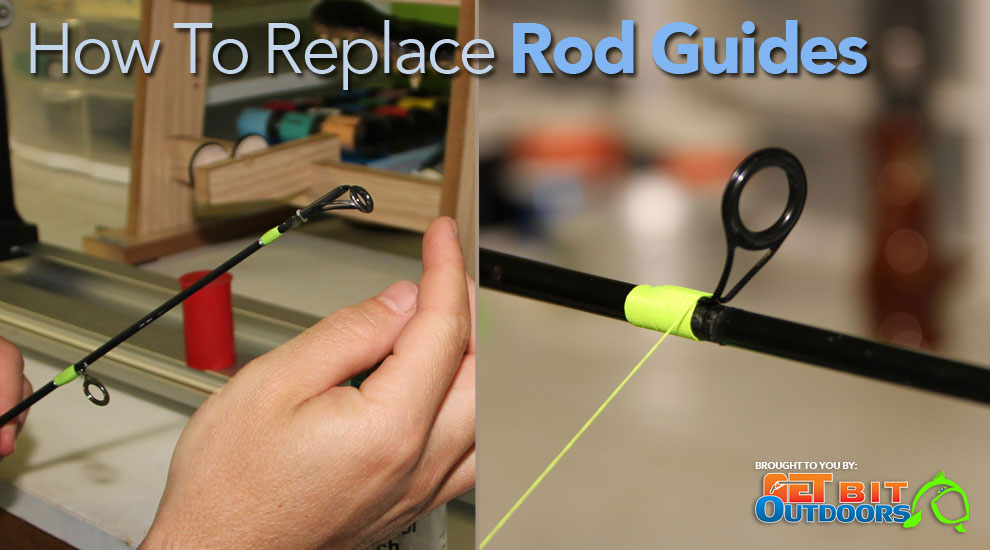
To remove fishing rod guides, you need a heat source and pliers. A razor blade or a guide foot adhesive remover may also be useful.
Repairing or replacing the guides on a fishing rod is a delicate task that requires precision and the right tools. A heat source, such as a lighter or a heat gun, is vital to loosen the adhesive holding the guide in place.
Pliers are then used to carefully remove the heated guide without damaging the rod. For guides that are stubborn or have more complex adhesives, a specialized tool known as a guide foot adhesive remover or a simple razor blade can be employed to cut through the bonds. Ensuring you have the proper equipment not only makes the process smoother but also preserves the integrity of your fishing rod, ultimately saving you time and money on potential costly repairs. Embracing this approach ensures your gear is in top condition for your next fishing adventure.
The Basics Of Fishing Rod Guide Maintenance
Maintaining the guides on fishing rods is crucial for peak performance. Guides influence line control and casting accuracy. This section digs into the tools needed for repairing or replacing rod guides.
Symptoms That Signal The Need For Guide Repair Or Replacement
Identifying when a fishing rod guide needs attention can save you from line damage or lost catches. Look out for these signs:
- Irregular wear: Check for uneven patterns on the inserts.
- Corrosion: Rust or green build-up on metal parts signals trouble.
- Cracks: Even tiny fractures can lead to bigger issues.
- Loose guides: Guides that wobble need immediate attention.
- Grooves: Noticeable lines on the insert mean it’s time for action.
Types And Importance Of Fishing Rod Guides
Fishing rod guides come in various materials and designs, each serving a key function:
| Type | Material | Function |
|---|---|---|
| Single Foot | Stainless Steel, Ceramic | Lightweight, less wrapping required |
| Double Foot | Stainless Steel, Titanium | Durability, stability for heavier loads |
| Roller Guides | Stainless Steel, Composite | Reduce friction, protect against line wear |
The right guides enhance rod performance. They handle the line’s stress while casting and retrieving. Quality guides mean smoother, longer casts and increased sensitivity. Without proper guide function, fishing efficiency drops.
Essential Tools For Rod Guide Removal
Fishing enthusiasts know that a smooth rod is the key to a great catch. But, what happens when rod guides need a fix or replacement? It’s important to use the right tools for the job. Removing fishing rod guides is a delicate process. The right tools ensure the rod keeps its integrity. Let’s dive into the essential toolkit every angler needs for this task.
Guide Removal Pliers And Cutters
High-quality pliers and cutters are must-haves in your toolkit. They make removal quick and safe. Look for pliers specifically designed for guide removal. They grip without damaging the rod’s blank. Cutters come in handy to snip old thread and adhesives away. Choose a model with a cutting edge that’s sharp and precise. Together, these tools help in detaching guides quickly and cleanly.
Heat Guns And Lighters For Easier Removal
Sometimes, old guides are stubborn. This is where controlled heat makes a huge difference. Heat guns and lighters soften adhesives holding the guides. This makes the guides easier to remove. Always use heat with care to avoid damaging the rod’s blank. Start with a lower temperature setting on a heat gun or keep the lighter moving. Keep the heat source at a safe distance. It’s a game changer for reluctant guides.
Selecting The Right Tool For Different Guide Types
Selecting the Right Tool for Different Guide Types is crucial when you’re attempting to repair or replace fishing rod guides. The integrity of your rod depends on using the appropriate equipment to remove the old guides safely and to secure the new ones. Whether you are dealing with ceramic or metal guides, or contemplating the material of the rod itself, the right tool can make all the difference. In this section, we explore the nuances of selecting these essential tools.
Considerations For Ceramic Vs. Metal Guides
Ceramic and metal guides, each have their own unique properties. This means they require different handling:
- Ceramic Guides: Prone to cracking, these guides demand a delicate touch.
- Metal Guides: Known for their durability, metal guides can withstand more force.
For ceramic guides, use a thin, heat-resistant tool like ceramic-tipped tweezers. Gentle heating around the guide foot helps ease removal. For metal guides, thicker tools like needle-nose pliers work well to grip and twist the guide off the rod.
Tailoring Your Approach To Rod Material
The material of your fishing rod also dictates the removal tool:
| Rod Material | Suggested Tool |
|---|---|
| Fiberglass | Heat Gun or Blow Dryer |
| Carbon Fiber | Alcohol Burner |
| Bamboo | Steam |
Fiberglass rods are robust and can handle more heat. A heat gun can warm the adhesive without damaging the rod. Carbon fiber rods are sensitive. Use an alcohol burner for controlled heating. Bamboo rods are delicate. Steam is the best tool to avoid damage.
In summary, the perfect tool aligns with guide material and rod type. Ceramic guides like a soft touch. Metal guides can take some pressure. Match the heating tool to your rod’s resilience. This attention to detail ensures a successful repair or replacement.

Credit: www.amazon.com
Step-by-step Guide Removal Process
Removing fishing rod guides can seem daunting. But with the right tools and a step-by-step process, it’s easily manageable. Whether the guides are worn out or damaged, follow this straightforward approach to remove them safely and effectively for repair or replacement. Here’s how to get started.
Safely Heating The Guide’s Foot
Heat is essential to loosen the adhesive holding the guide’s foot. A hairdryer or heat gun is the safest tool for this. Aim the heat evenly around the guide for a minute or two. The heat softens the adhesive without damaging the rod.
Techniques For Using Pliers And Cutters
After heating, gently clamp the guide’s foot with pliers. Twist the pliers carefully to lift the foot off the rod. If stuck, do not force. Reheat if necessary. For cutters, slide the blade under the guide foot. Gently rock back and forth to cut through the adhesive. Always protect the rod’s surface.
- Use controlled heat to soften adhesive.
- Clamp the guide’s foot lightly with pliers.
- Twist pliers to detach the guide
- Apply cutters if twisting is ineffective
- Reheat as required, avoiding rod damage.
Troubleshooting Common Removal Challenges
When repairing or replacing fishing rod guides, you might hit a snag. The removal process can get tricky. Let’s tackle the common problems you might face and how to solve them, keeping your rod in pristine condition.
Dealing With Stubborn Or Broken Guides
Guides can sometimes be tough to remove. Stubborn guides cling to the rod, while broken ones leave tricky remnants. To deal with these challenges:
- Heat the guide’s feet gently with a blow dryer or heat gun.
- Apply heat evenly and carefully to avoid damaging the rod.
- Use a pair of pliers to carefully twist off the loosened guide.
- If parts remain, use a razor blade to scrape them off.
Minimizing Damage To The Rod Blank
Preventing damage to the rod blank is crucial. Here are tips to keep it safe:
- Start with low heat and gradually increase if necessary.
- Keep the heat moving in a back-and-forth motion to avoid scorching.
- Wrap the blank in a wet cloth near the work area to absorb excess heat.
- Use a sharp, fine blade for clean removals of guide wraps and epoxy.
Prepping The Rod For New Guide Installation
Getting your fishing rod back in action means prepping it for new guide installation. This step is essential before you attach fresh guides. You need to ensure that your rod’s surface is smooth and clean. Follow these steps for a successful update of your rod’s guides.
Removing Old Adhesive And Residues
The first task is to get rid of old glue and any leftovers from your rod. Heat gently using a hairdryer or a heat gun. This will soften the adhesive. Next, use a blade or a razor to scrape the residue. Be careful not to damage the rod.
- Heat the guide to loosen the adhesive
- Scrape off the warm glue gently
- Make sure the rod’s surface is not scratched
Ensuring A Clean Working Surface
After removing the old adhesive, the rod’s surface needs a thorough cleaning. Use a cloth dampened with isopropyl alcohol. This will remove any remaining residues. Ensure the rod is completely dry before attaching the new guides.
- Clean with isopropyl alcohol
- Wipe till there’s no residue left
- Dry the surface before the new guide installation
Choosing Replacement Guides And Materials
When repairing or replacing fishing rod guides, the right choice matters. Opt for guides that enhance your rod’s performance. Quality materials lead to superior fishing experiences.
Matching Guides To Rod Performance And Flexibility
Selecting the perfect match is crucial. Consider the strength, weight, and flexibility of your rod. Guides should complement these aspects for optimal results.
- Size and weight: The guide’s size impacts rod flexibility.
- Material: Options include steel, ceramic, or titanium.
- Design: Single-foot guides offer less weight but double-foot guides provide strength.
Adhesives And Thread For Installing New Guides
Proper guide attachment requires the right adhesives and thread. The bonding process ensures durability and performance.
| Adhesive Type | Usage |
|---|---|
| Epoxy: | For a strong bond between guide feet and the rod. |
| Hot Glue: | Good for temporary positioning or re-adjustments. |
Wrapping thread secures the guides. Choose a color that matches your rod for a seamless look. Thread must be durable to withstand tension.

Credit: www.amazon.com
Professional Tips For First-time Diy Repairs
Embarking on your first DIY fishing rod repair can be quite a feat. With the right tools and some handy tips, replacing or repairing rod guides can transform from daunting to doable. The journey starts with understanding the essentials tools and techniques for a successful repair.
Avoiding Common Novice Mistakes
Patience and precision are your best companions in this process. Here’s what to keep in mind:
- Don’t rush the removal of old guides. Take it slow to prevent rod damage.
- Use a heat source correctly. Too much heat can harm the rod.
- Invest in a quality guide removal tool. Avoid makeshift options.
- Secure your rod. A steady work surface prevents slips.
- Remove all old glue remnants for a clean base for the new guide.
Resources For Learning Advanced Techniques
Ready to hone your skills further? Consider these resources:
- Online tutorials offer step-by-step visuals.
- Fishing forums are hubs for advice from seasoned anglers.
- Local fishing clubs may provide hands-on workshops.
- Look for repair manuals with detailed instructions.
Remember, practice builds confidence. The more you repair, the more skilled you become.
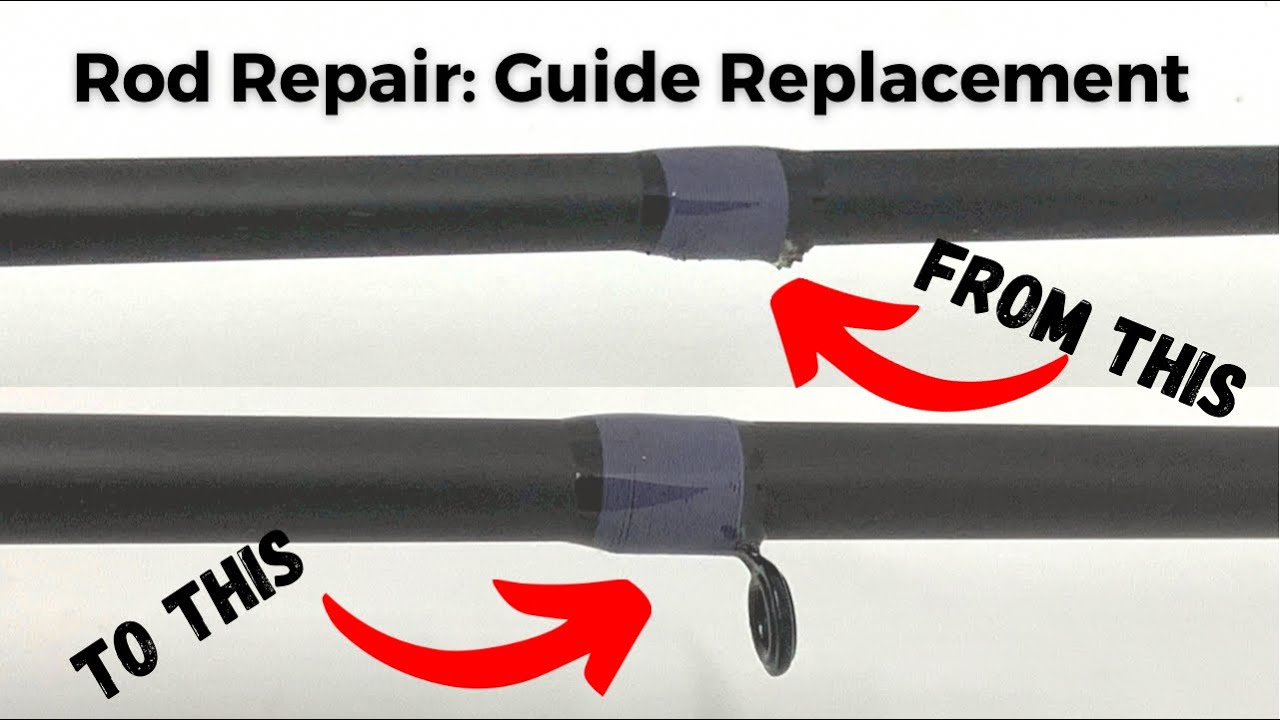
Credit: m.youtube.com
Frequently Asked Questions Of What Tool Do You Need To Remove Fishing Rod Guides For Repair Or Replacement?
What Is A Fishing Rod Guide?
A fishing rod guide is a small ring, typically made of metal or ceramic, that is attached along the length of a fishing rod. It helps to support and align the fishing line during casting and retrieval.
How To Safely Remove Fishing Rod Guides?
Heat the guide’s feet with a gentle flame until the glue softens. Carefully lift the guide using pliers or a guide removal tool. Take care not to damage the rod blank or remaining guides.
What Tools Are Essential For Guide Removal?
You’ll need a heat source, like a lighter or heat gun, and a pair of pliers or a specialized rod guide removal tool. A razor blade or small knife can help clean up leftover adhesive.
Can You Replace Fishing Rod Guides At Home?
Yes, replacing fishing rod guides can be done at home. With the right tools like a heat gun and cautious application, you can remove old guides and adhere to new ones.
Conclusion
Repairing or replacing your fishing rod guides need not be daunting. With the right tools—a guide removal tool, a razor blade, and pliers—it’s manageable. Tackling this maintenance ensures your gear stays in top condition for your next angling adventure. Remember, precision and patience lead to the best results.
Happy Fishing!
